
How to Clean Hard Water Stains in St. George, UT
Hard water stains are one of the most common cleaning problems in St. George and surrounding Southern Utah communities. Mineral-rich water can leave cloudy shower glass, white calcium buildup, dull fixtures, and stubborn bathroom residue. This guide explains what causes hard water stains, how to clean them, and when professional help can save time and frustration.
Looking for reliable house cleaning in St. George? House Cleaning Services in St. George
Need a more detailed clean? Deep Cleaning Services in St. George
What Causes Hard Water Stains in St. George?
Hard water stains in St. George are caused by dissolved minerals like calcium and magnesium in the local water supply. When water evaporates from shower glass, faucets, sinks, tile, and bathroom fixtures, those minerals stay behind and build up over time.
Hard water buildup is especially common throughout Southern Utah because mineral-heavy water can leave cloudy glass, white chalky residue, and calcium deposits on bathroom surfaces.
Can Hard Water Deposits Be Removed?
Many hard water stains and mineral deposits can be professionally removed using surface-safe cleaning methods for shower glass, chrome fixtures, stainless steel, sinks, tile, and bathroom surfaces. Severe glass etching may be permanent if minerals have damaged the glass itself.
Signs You Have Hard Water Buildup
- Cloudy shower glass that will not wipe clean
- White chalky buildup around faucets, drains, and shower heads
- Water spots that return quickly after cleaning
- Reduced showerhead water pressure from calcium deposits
- Mineral residue on chrome, brushed nickel, or black fixtures
- Soap scum mixed with hard water buildup on shower walls and doors
What Causes Hard Water Stains?
Hard water contains dissolved minerals like calcium and magnesium. When water dries on shower glass, faucets, tile, and bathroom fixtures, those minerals stay behind and build up over time.
In St. George, this often shows up as:
- Cloudy or spotted shower glass
- White chalky buildup on faucets and trim
- Mineral rings in showers, tubs, and sinks
- Dull tile, streaking, and residue that regular wiping does not remove
How to Remove Hard Water Stains From Shower Glass and Fixtures
For lighter buildup, homeowners sometimes use mineral-dissolving cleaning products and gentle scrub methods. The key is using the right product, the right cloth, and enough contact time to break down buildup before wiping or scrubbing.
-
Use a cleaner designed for mineral deposits.
Best Choice: BioClean Hard Water Stain Remover 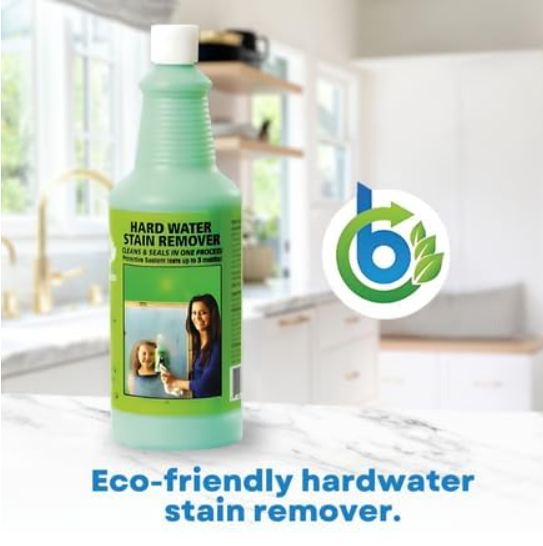
Product commonly used for hard water stain removal and mineral buildup on appropriate bathroom surfaces.
-
Apply to dry or slightly damp surfaces as directed. For this specific cleaner, it works best on a dry surface with a microfiber cloth.
Best Choice: Amazon Basics Microfiber Cloth 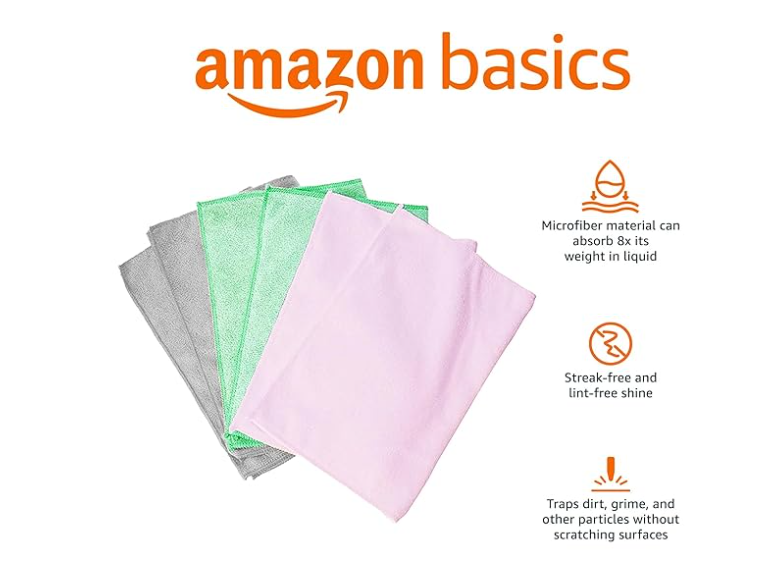
Microfiber cloths help apply and buff cleaning products without adding unnecessary surface damage.
- Buff in a circular motion with your dry microfiber cloth. For other cleaners, you may need to allow dwell time so buildup can soften.
-
If the microfiber cloth is not working, use a non-scratch tool on glass and fixtures, such as 0000 steel wool.
Best Choice: 0000 Steel Wool (make sure it says “0000.” 0000 is safe for glass surfaces) 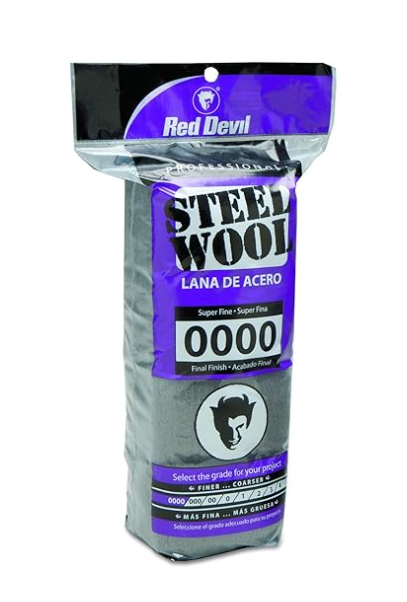
Only 0000-grade steel wool should be considered for glass-safe hard water detailing when appropriate.
- Rinse and dry thoroughly to reduce new spotting.
What Not to Use on Hard Water Stains
Hard water removal requires the right product and tool for the surface. Using the wrong method can permanently damage shower glass, chrome, brushed nickel, natural stone, and specialty finishes.
- Do not use steel wool unless it is clearly labeled 0000 grade
- Do not use harsh abrasives on shower glass or coated glass
- Do not use strong acidic cleaners on marble or natural stone
- Do not scrape coated shower glass aggressively with razors
- Do not use overly aggressive scrubbing on black, brushed, or delicate finishes
When Hard Water Buildup Needs Professional Cleaning
Some hard water stains are too established for quick wipe-downs. Older buildup on shower glass, shower pans, bathroom fixtures, and tile often needs more detailed cleaning techniques, repeat treatment, and extra labor. This is especially true when buildup has been sitting for a long time.
Professional cleaning is often the better option when:
- Shower glass still looks cloudy after regular cleaning
- Mineral buildup is visible around fixtures or drain areas
- Bathrooms need a full deep clean, not just spot treatment
- You want results without spending hours scrubbing
How to Prevent Hard Water Stains From Returning
- Dry shower glass after use when possible
- Keep bathrooms on a recurring cleaning schedule
- Stay ahead of buildup before it becomes heavy
- Use maintenance cleaning to reduce long-term mineral residue
Preventive upkeep is usually easier and less expensive than restoring heavily neglected buildup later.
Hard Water Cleaning in St. George, UT
Because hard water is so common in St. George, Washington, Santa Clara, Hurricane, and Ivins, many homeowners need help with shower glass, bathroom buildup, and mineral staining. Our deep cleaning and bathroom detail cleaning services are often the best fit when regular cleaning no longer gets the result you want.
What Is Etching (Glass “Cancer”)?
Etching is permanent damage to the glass surface. Over time, hard water minerals can actually eat into the glass instead of simply sitting on top of it.
You may be dealing with etching when shower glass:
- Looks cloudy or foggy no matter what
- Feels smooth instead of gritty
- Does not improve when wet
- Still looks the same after you have already tried cleaning it
When that happens, cleaning may still help remove surface buildup, but it will not restore glass that has already been etched.
Hard Water Requires the Right Products
Mineral buildup, soap scum, and shower glass residue require the right product and technique. Some cloudy glass is removable buildup, while some may be permanent etching.
See the products and surface-safe methods we use for hard water cleaning →
Frequently Asked Questions About Hard Water Stains
Why is my shower glass cloudy even after cleaning?
Cloudy shower glass is often caused by mineral deposits from hard water, not just soap residue. Regular cleaning may remove surface grime without fully dissolving the mineral buildup underneath.
Can hard water stains damage shower glass or fixtures?
Over time, mineral buildup can become more difficult to remove and may affect the appearance of glass, chrome, and bathroom finishes. The sooner buildup is addressed, the better.
Is deep cleaning better for hard water buildup?
Yes. Deep cleaning is usually better for hard water buildup because it allows more time and detail work for bathrooms, fixtures, shower surfaces, and buildup-prone areas.
Can hard water stains become permanent?
Yes. Over time, mineral deposits can etch into shower glass or damage certain finishes. Once etching happens, cleaning may remove surface buildup but cannot fully reverse the damaged glass.
Why is hard water buildup common in St. George?
St. George and many Southern Utah communities have mineral-heavy water. As water dries on glass, faucets, tile, and fixtures, calcium and magnesium deposits are left behind.
What is the best way to prevent hard water stains from coming back?
The best prevention is regular maintenance, drying shower glass when possible, and addressing mineral residue before it becomes heavy buildup. Recurring bathroom cleaning can help reduce long-term staining.
Request a Quote
Need help with hard water buildup or a deeper bathroom clean? Tell us about your home and we’ll help you get the right cleaning quote.