Fresh Residue
- Water spots
- Light soap residue
- Small grease splatters
Routine cleaning usually removes these easily.


Heavy Buildup • Hard Water • Specialty Detail
For cleaning projects that go beyond a regular deep clean.
Restoration-level cleaning focuses on the buildup homeowners think may never come clean again — hard water, soap scum, mineral deposits, baked-on grease, grime, and neglected surfaces.
Every restoration project is different. Before providing a quote, we evaluate the surface, the type of buildup, the likelihood of improvement, and whether cleaning is the appropriate solution.
Restoration-level cleaning is specialty cleaning for surfaces with years of buildup, hard water deposits, soap scum, baked-on grease, mineral staining, or conditions that go beyond routine cleaning.
This is not about using the strongest product on everything. It is about understanding the surface, identifying the buildup, choosing the safest method, and being honest about what can and cannot be restored.
A deep cleaning is a detailed reset for the home. Restoration-level cleaning is more targeted and focuses on heavy buildup, neglected surfaces, hard water, baked-on grease, and areas that need extra time and specialized care.
| Category | Deep Cleaning | Restoration-Level Cleaning |
|---|---|---|
| Best For | Full-home reset and detailed cleaning. | Targeted problem areas with heavy buildup. |
| Typical Buildup | Dust, grime, soap scum, light to moderate kitchen and bathroom buildup. | Years of hard water, mineral deposits, baked-on grease, carbon buildup, or neglected residue. |
| Scope | Broader cleaning throughout the home. | Focused restoration-style cleaning on specific surfaces or areas. |
| Products | Professional cleaning products appropriate for general residential cleaning. | Surface-specific products and methods chosen after evaluating the material and buildup. |
| Time | Longer than routine maintenance. | Often much longer because buildup may require repeated passes, dwell time, agitation, and detail work. |
| Expectation | Cleaner, fresher, more reset home. | Best realistic improvement while protecting the surface and being honest about permanent damage. |
Most restoration projects do not happen overnight. Buildup develops gradually as water, minerals, soap residue, grease, body oils, dust, and everyday use collect in layers.
Routine cleaning usually removes these easily.
This is where restoration-level cleaning often becomes necessary.
Showers may show the most obvious hard water buildup, but restoration-level cleaning can apply throughout the home wherever buildup has gone beyond routine maintenance.
Restoration is often worth considering when the surface still functions, the problem appears to be buildup, and replacement would be more expensive than a careful restoration attempt.
If yes, it may be worth evaluating before replacing.
Hard water, soap scum, grease, carbon, and mineral deposits may be removable or significantly improved.
If the issue is buildup and the surface is not permanently damaged, restoration-level cleaning may be the best first step.
If the surface is etched, cracked, corroded, crumbling, or damaged, cleaning may only improve the appearance.
Restoration is not just about making something look cleaner. It is about slowing down enough to understand the surface, remove buildup safely, protect the finish, and leave the area in the best realistic condition possible.
Sometimes that means making several careful passes instead of forcing immediate results. Sometimes it means explaining that cleaning is not the best solution. Sometimes it means recommending another professional.
I would rather give an honest recommendation than create unrealistic expectations.
These featured projects show how restoration-level cleaning is different from a regular wipe-down. Each project includes the problem, what was restored, the result, and the matching proof when available.
St. George, Utah
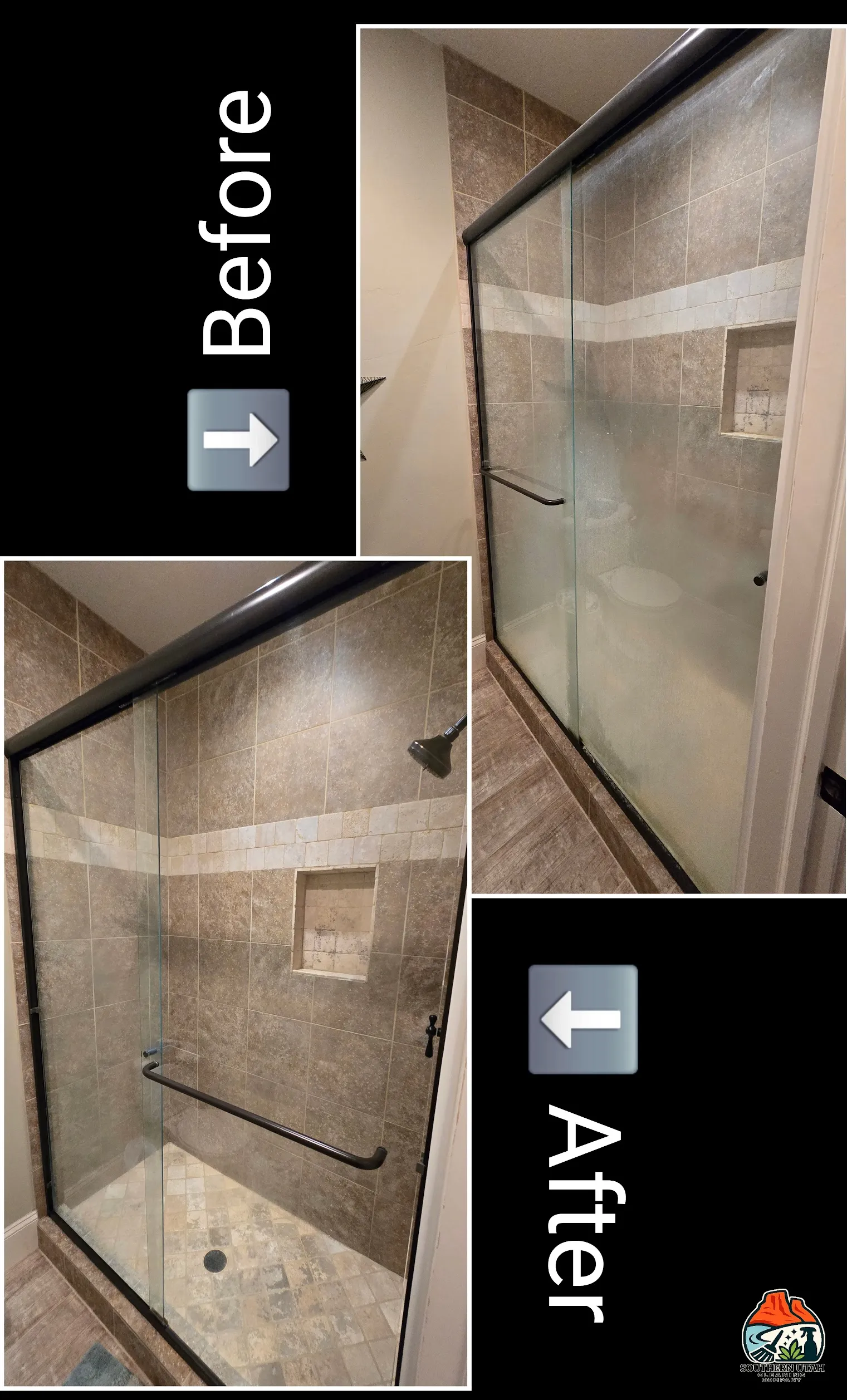
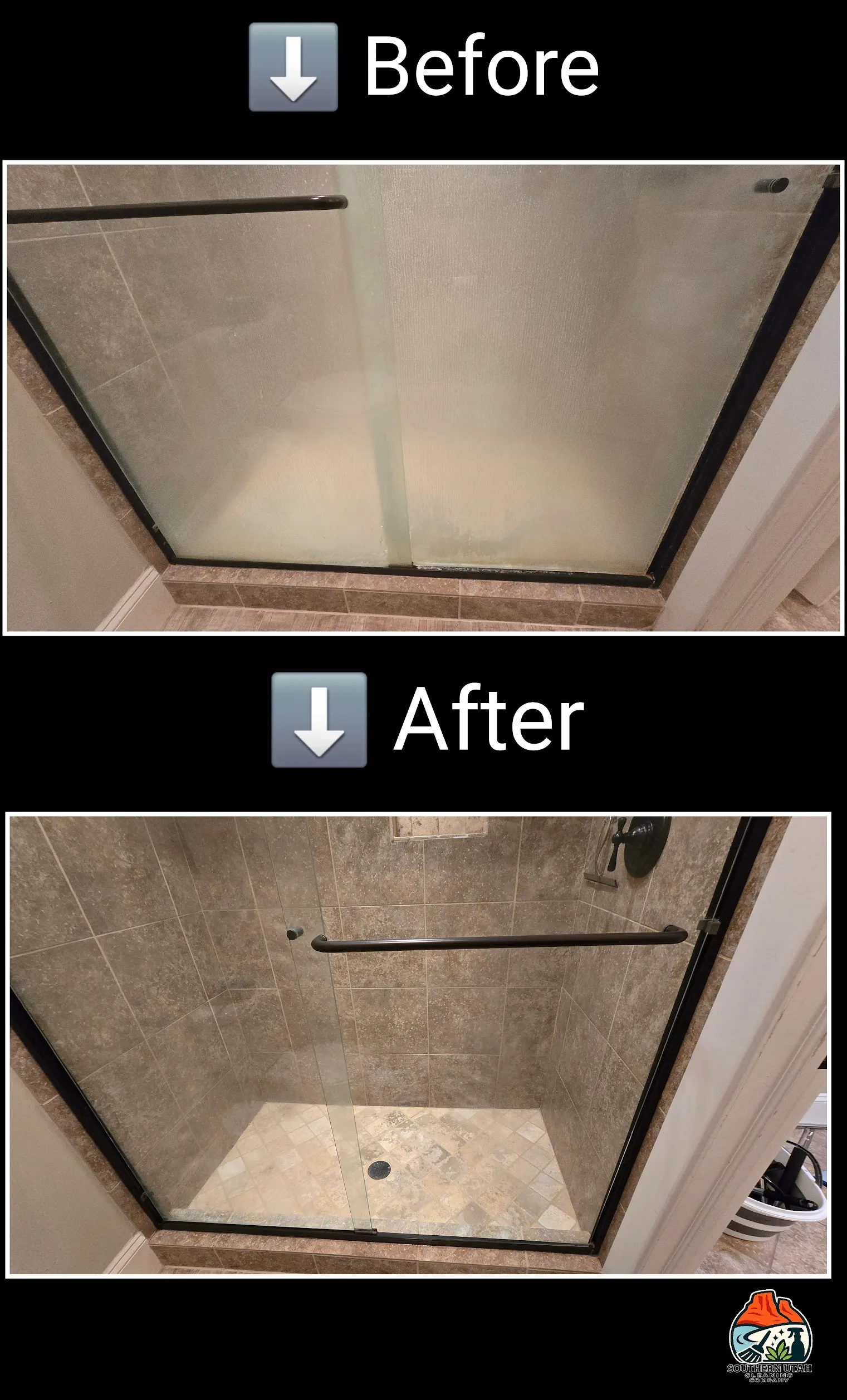
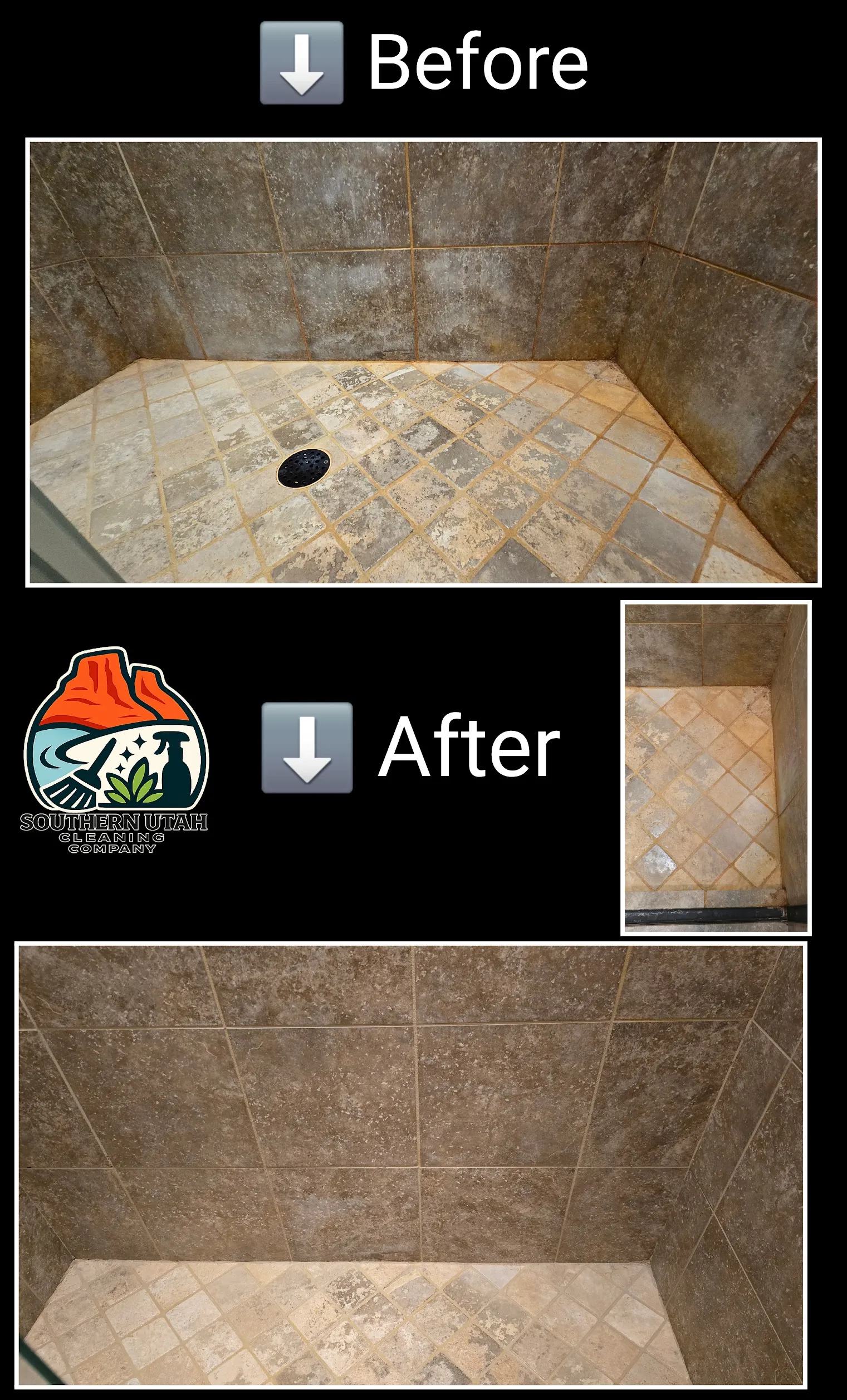
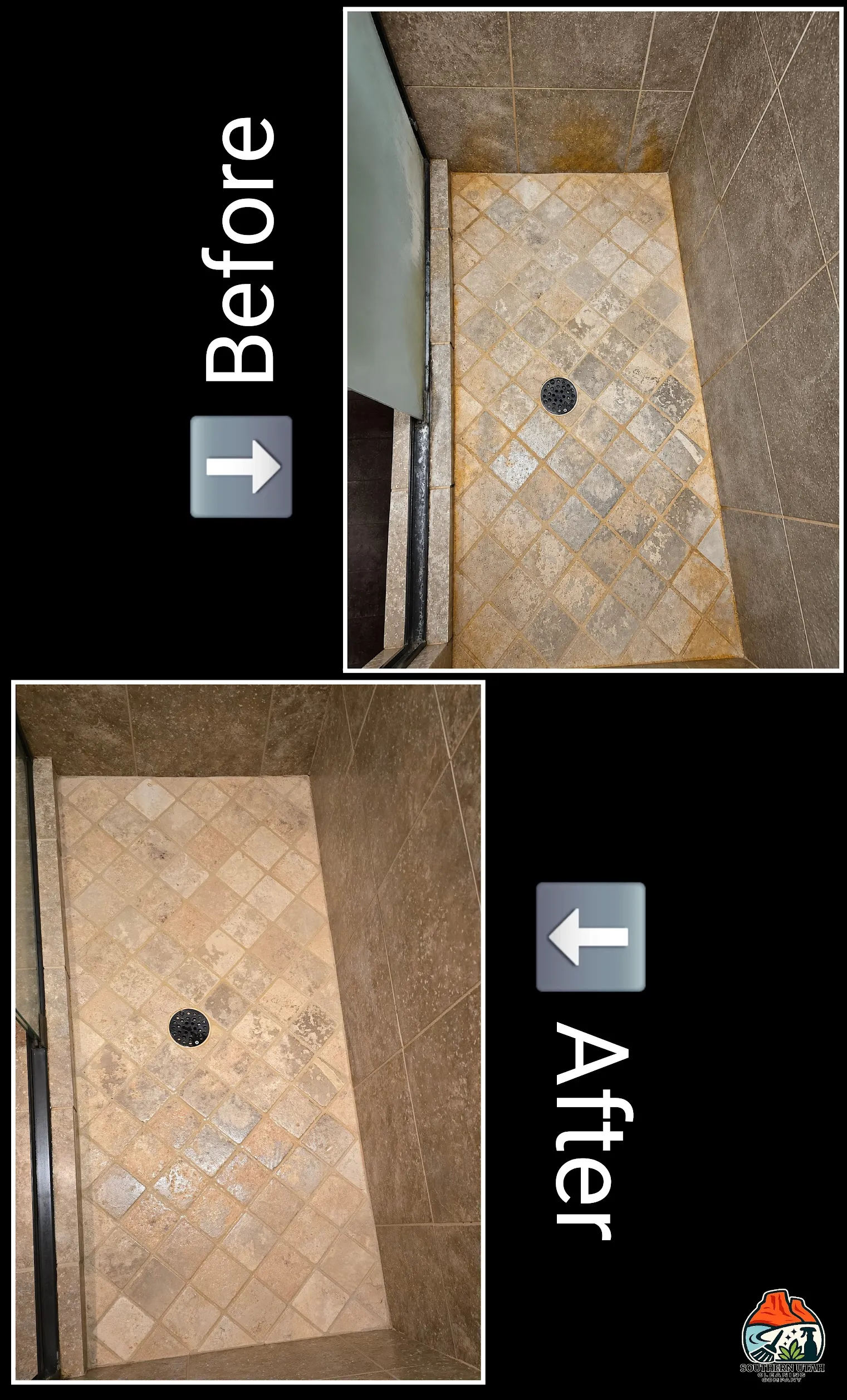
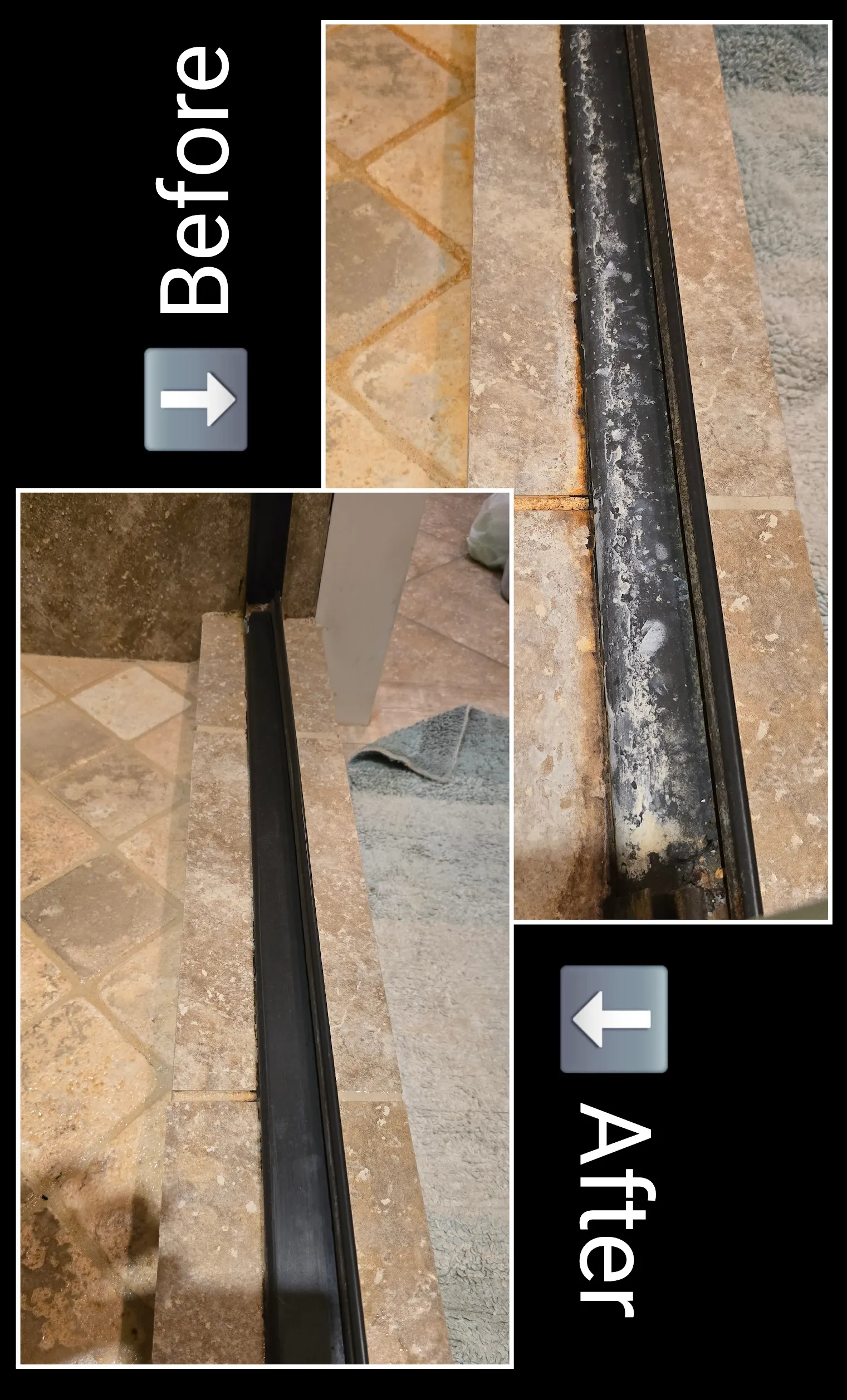
This shower restoration involved years of hard water deposits, soap scum, mineral buildup, and grime across the shower glass, tile, grout, floor, fixtures, and shower track.
The shower had buildup across multiple surfaces and needed more than a standard bathroom cleaning.
Heavy buildup was removed, the glass looked dramatically clearer, and the shower looked noticeably cleaner and brighter.
“My shower looks AMAZING! Thank you so much! So friendly too!”
— Tasha Ogden, Google Review
St. George, Utah
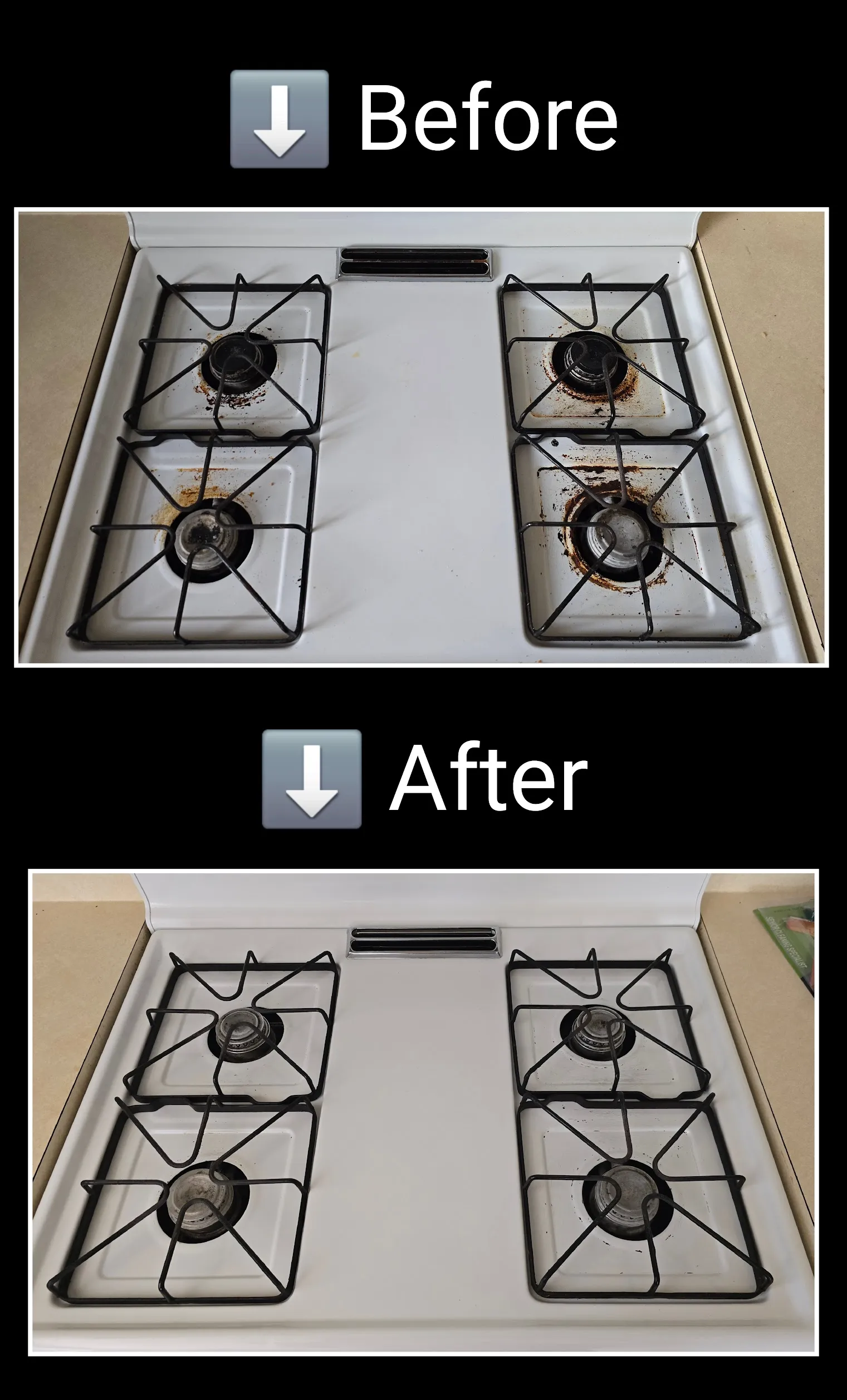
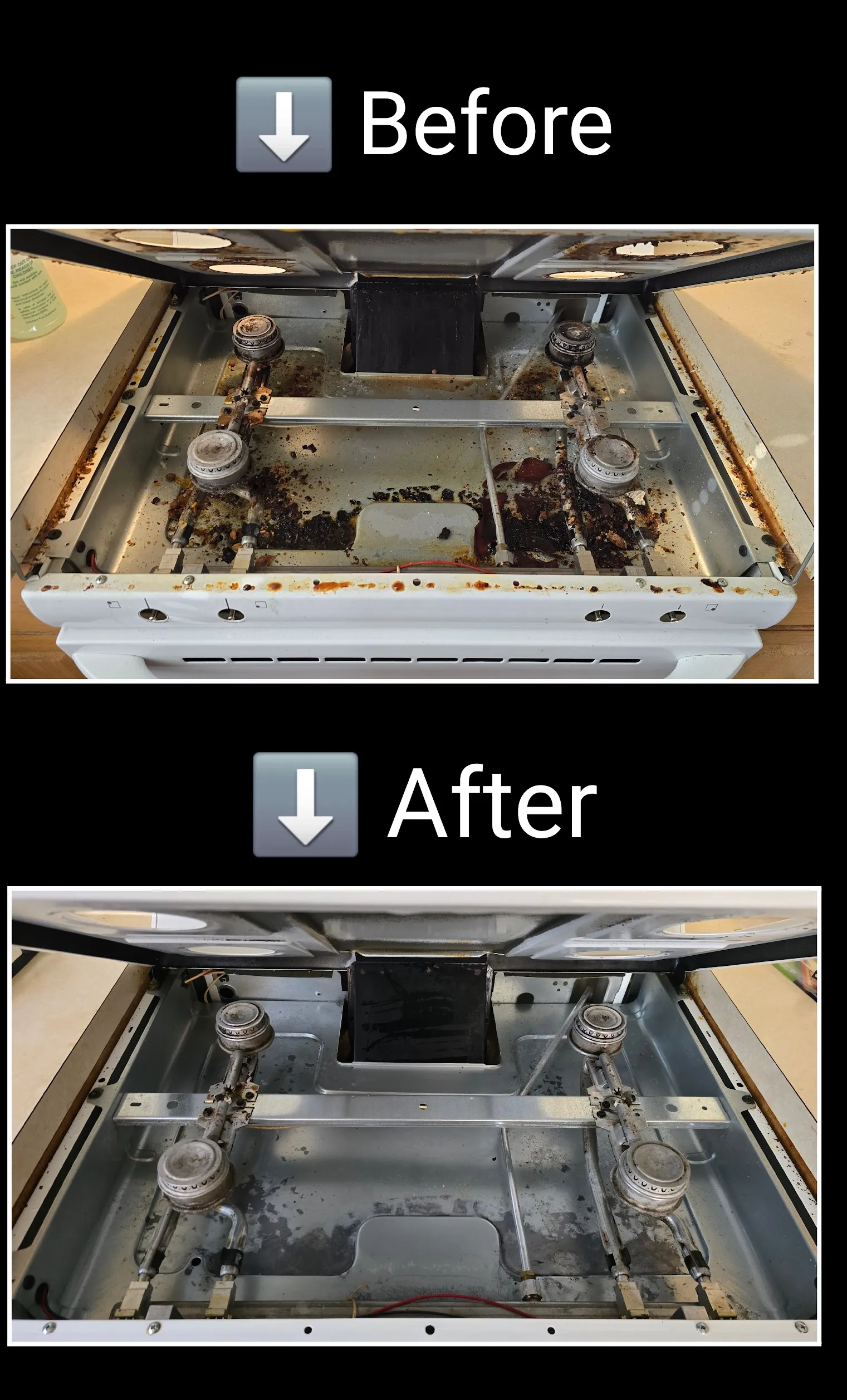
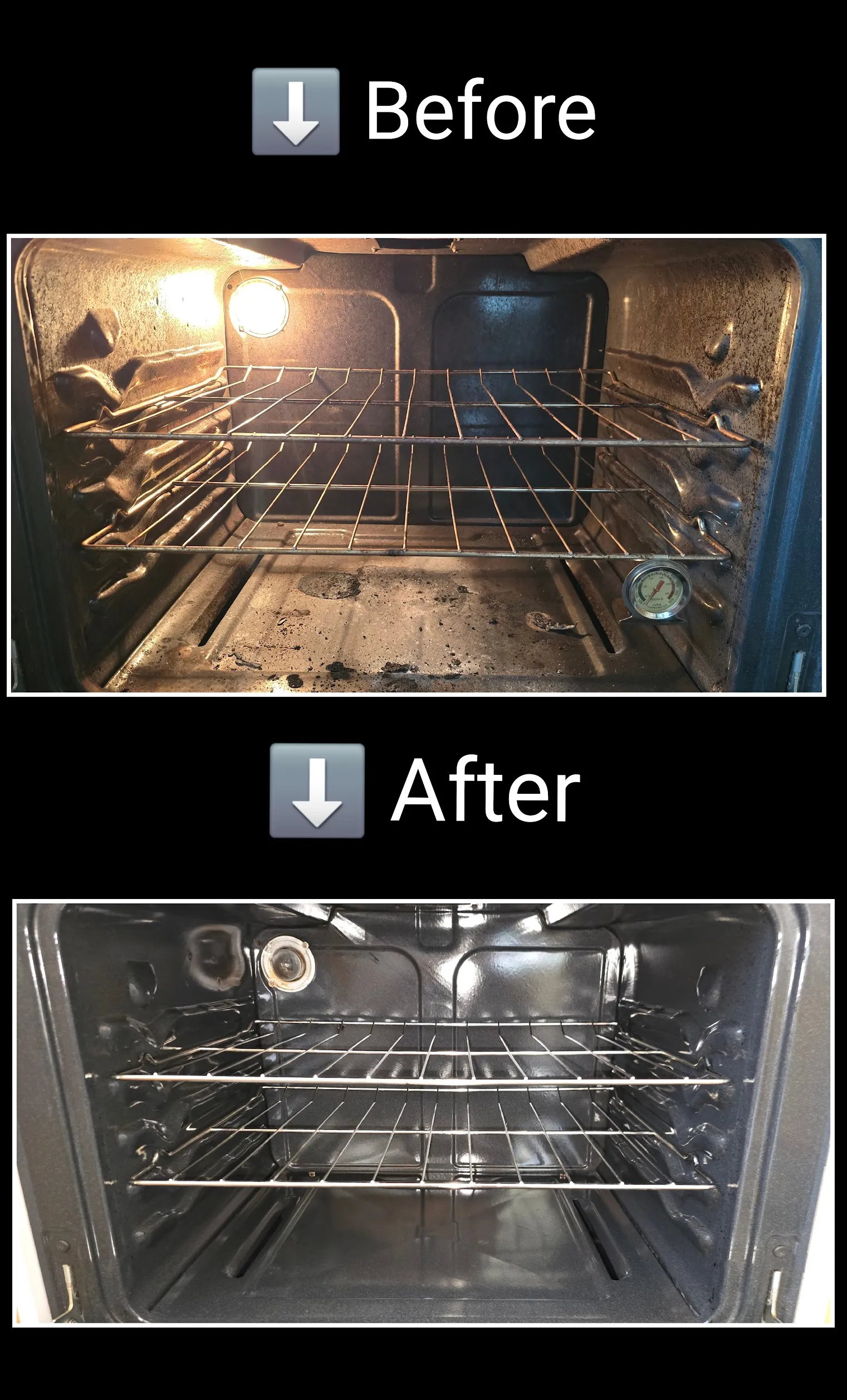
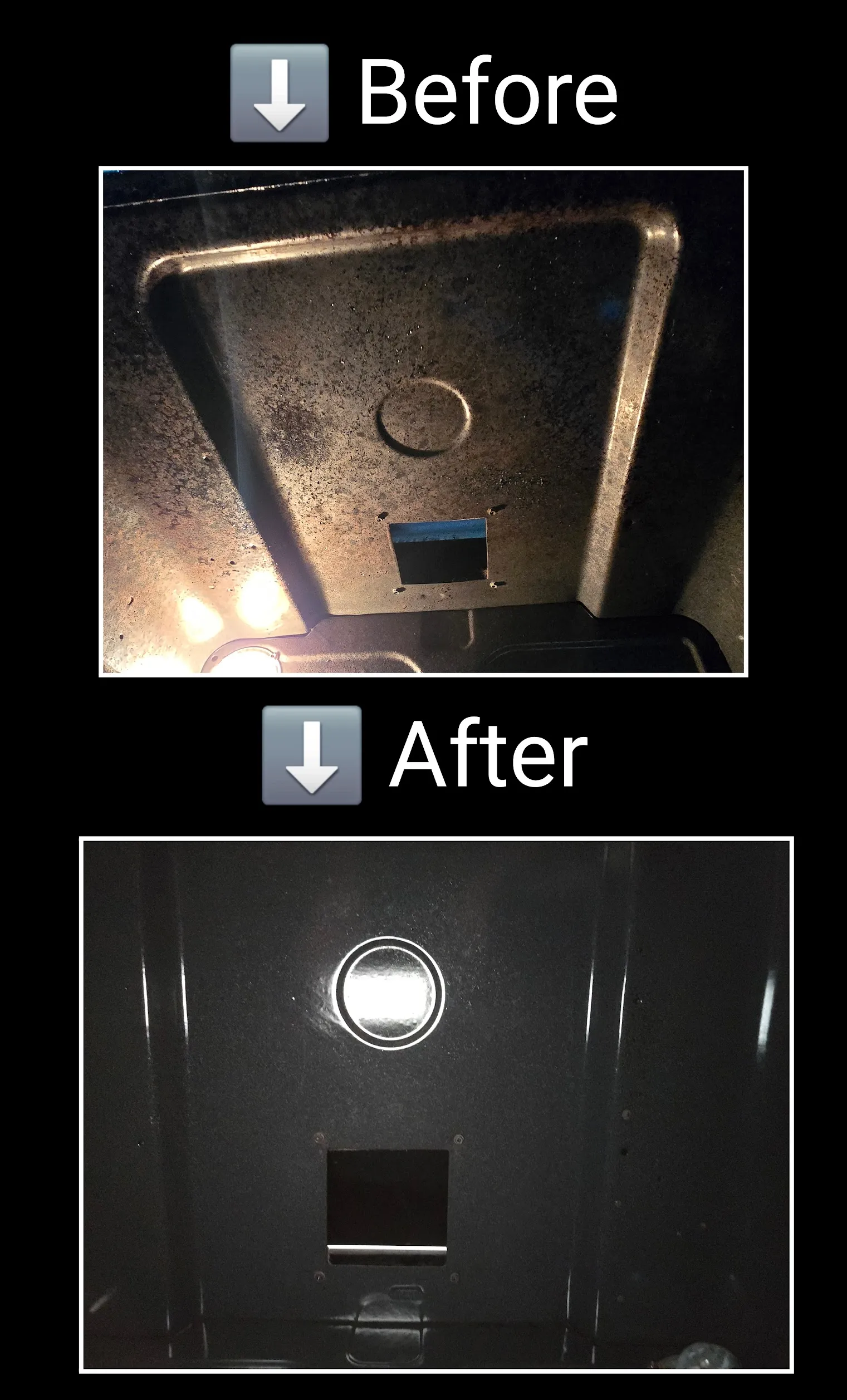
This kitchen project involved heavy stove, oven, and grease buildup that required detailed hand-cleaning and more time than a standard kitchen cleaning.
Baked-on residue, grease, and buildup had collected around the stove, oven, burner areas, and nearby surfaces.
Layers of buildup were removed and the stove and oven looked dramatically cleaner, brighter, and more cared for.
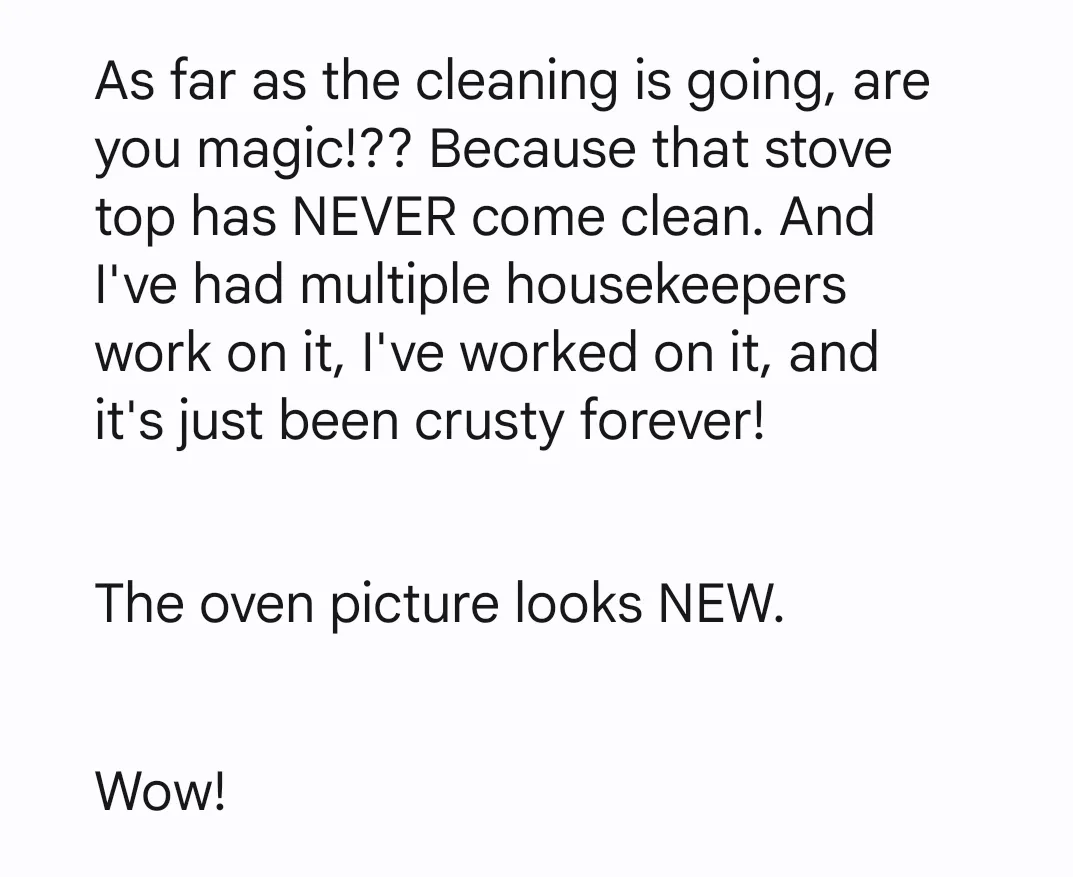
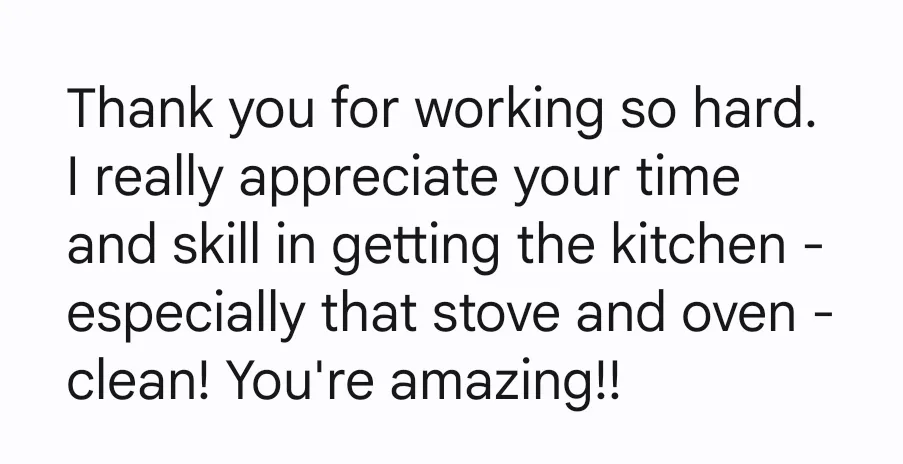
“As far as the cleaning is going, are you magic?? Because that stove top has NEVER come clean.”
— Client text after restoration-level stove and oven cleaning

Before replacing shower glass, regrouting tile, or giving up on a surface, it helps to understand what may actually be happening. This page is built to help homeowners recognize buildup, understand realistic expectations, and know when restoration-level cleaning may be worth considering.
Hard water reacts with soap and body oils to create sticky soap scum that traps minerals, grime, shampoo, and dirt.
Water quality, daily use, products used, grout sealing, ventilation, and cleaning frequency all affect buildup severity.
Minerals left behind after water evaporates. Usually white, gray, chalky, crusty, or rough to the touch.
A sticky film created when soap reacts with hard water minerals. It traps body oils, dirt, and mineral buildup.
Permanent glass damage caused by minerals sitting too long. Cleaning can improve remaining buildup, but cannot reverse etching.
| Surface or Problem | Usually Restorable? | Notes |
|---|---|---|
| Hard water deposits | Usually | Depends on severity and whether the minerals have damaged the surface. |
| Soap scum | Yes | Often improves dramatically with the right products and time. |
| Mineral deposits | Usually | May require multiple cleaning stages. |
| Shower glass | Sometimes | Depends on whether it is buildup or permanent etching. |
| Etched glass / glass cancer | No | Cleaning cannot fully reverse permanent glass damage. |
| Cement-based grout | Often | If structurally sound and not permanently stained. |
| Caulk | Sometimes | Replacement is often better when caulk is stained, cracked, or failing. |
| Chrome fixtures | Usually | Depends on corrosion, pitting, and finish damage. |
| Natural stone | Depends | Damaged stone may require a stone restoration specialist. |
| Oven glass | Usually | Depends on baked-on residue, staining, and damage. |
| Cooktops | Usually | Depends on scratches, burned-on residue, and surface type. |
| Porcelain | Usually | Often a strong candidate when not chipped or permanently damaged. |
| Fiberglass | Often | Depends on staining, age, and wear. |
One of the most important parts of restoration-level cleaning is knowing its limits. While many surfaces can be dramatically improved, some problems cannot be corrected through cleaning alone.
I'd rather give you an honest recommendation than promise unrealistic results. If I believe another solution will provide a better long-term outcome, I'll tell you.
If minerals have permanently etched the glass surface, sometimes called "glass cancer", cleaning can remove remaining buildup but cannot restore the damaged glass.
Caulk that is cracked, shrinking, separating, or permanently stained usually needs replacement rather than additional cleaning.
Cleaning cannot rebuild missing or deteriorated grout. While cleaning may improve its appearance, damaged grout often requires repair or replacement.
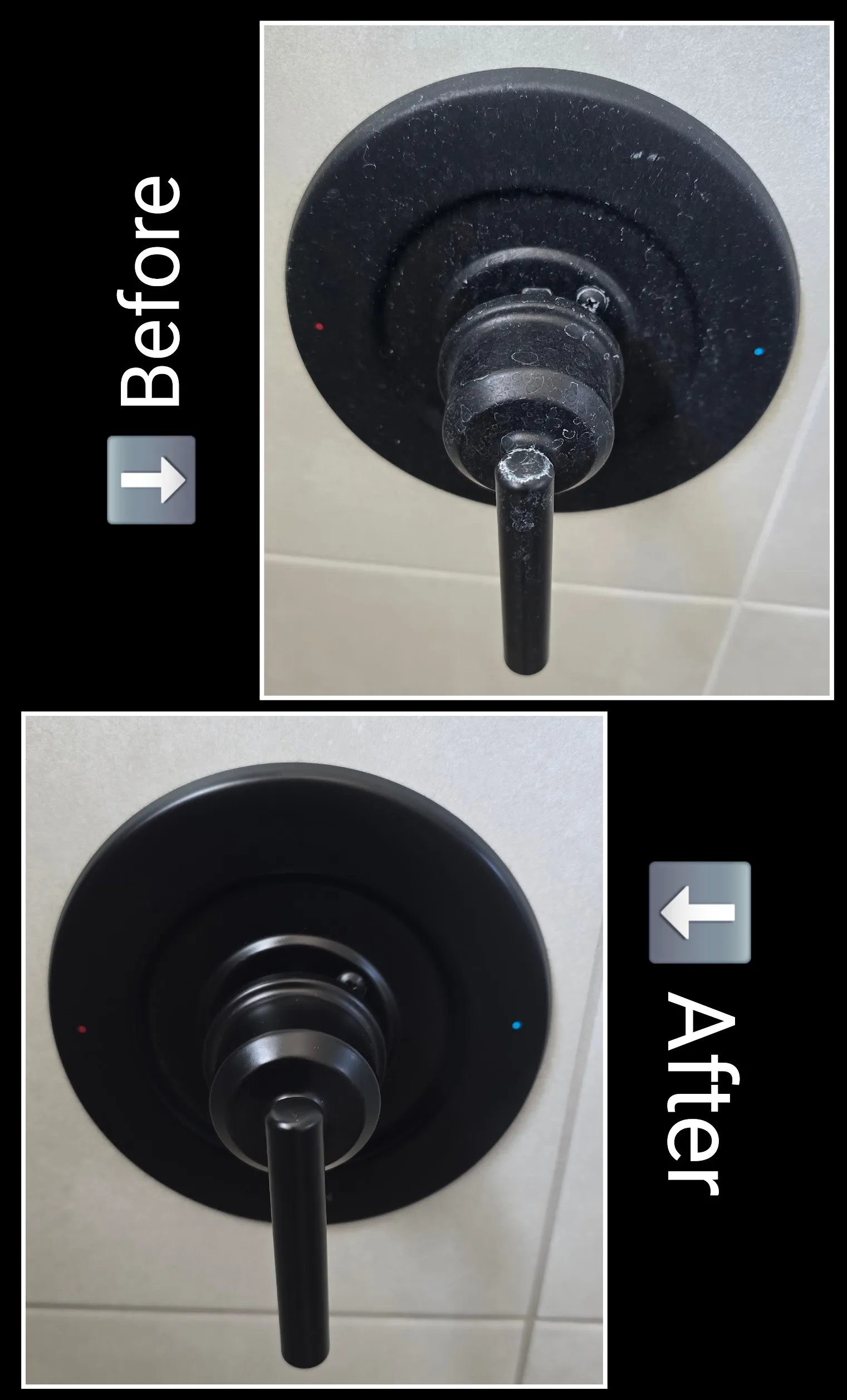
Mineral deposits can often be removed. Corrosion, pitting, worn finishes, and plating damage cannot be cleaned away.
Etched, scratched, or chemically damaged natural stone often requires a qualified stone restoration specialist rather than routine cleaning.
Cleaning removes buildup, not scratches. If the glass itself has been physically damaged, restoration cleaning cannot remove those scratches.
Depending on the condition of the surface, the right answer may be restoration-level cleaning, repair, re-caulking, grout repair or replacement, glass replacement, fixture replacement, or referral to a qualified stone restoration specialist.
My goal is to provide honest guidance and the best realistic outcome, not to sell you a service that isn't the right solution.
If several of these sound familiar, your home may need restoration-level detail rather than routine maintenance.
Restoration-level cleaning isn't about using stronger chemicals—it's about understanding what you're actually looking at. Before I begin any restoration-level cleaning project, I evaluate the material, identify the type of buildup, and determine what can realistically be improved.
These conditions can look similar but require different solutions.
If repair is the better option, I'll tell you.
Damaged natural stone may be restored by a qualified stone restoration specialist—not a house cleaner.
Different materials require different products and techniques. Using the wrong product can permanently damage certain surfaces.
Every surface tells a different story. My goal is to identify the problem first, choose the safest cleaning method, and achieve the best realistic result possible.
I look for buildup type, surface material, damage, etching, staining, corrosion, grout condition, and whether the issue is removable buildup or permanent damage.
Glass, grout, porcelain, fiberglass, chrome, natural stone, ovens, and cooktops are not cleaned the same way.
Restoration-level work often requires multiple cleaning stages to remove minerals, soap scum, grease, baked-on residue, rust staining, and grime.
Tracks, hinges, fixtures, oven glass, burner areas, corners, grout lines, and tight spaces often make the biggest difference.
If permanent damage remains, I explain what you are seeing so expectations stay honest.
For routine maintenance, a pH-neutral cleaner helps protect natural stone, grout, sealers, and shower finishes. One product I personally recommend is Cassell Cleaners Stone Pro Plus.
Heavy mineral deposits, soap scum, rust staining, grease, and baked-on oven residue may require specialty products and controlled dwell time.
Using the wrong product can damage natural stone, etched glass, finishes, sealers, grout, or metal.
Restoration-level cleaning can make a dramatic difference, but maintenance matters. Southern Utah hard water, daily use, soap residue, grease, and moisture can all cause buildup to return over time.
Keep surfaces dry when possible. Squeegee shower glass and wipe areas where water collects.
Use a safe maintenance routine so buildup does not get ahead of you again.
Check problem areas like shower tracks, fixtures, grout lines, stove edges, and vent areas.
Seal cement-based grout when appropriate, after it has been thoroughly cleaned and dried.
Schedule detail cleaning before buildup becomes permanent damage or restoration-level work again.
For routine shower maintenance, I recommend using a pH-neutral cleaner to help protect natural stone, grout, sealers, and shower finishes. One product I personally recommend is Cassell Cleaners Stone Pro Plus.
Bathrooms often show the most obvious hard water buildup, but kitchens can develop years of grease, baked-on residue, grime, and buildup that routine cleaning will not fully remove.
These photos show the types of buildup that restoration-level cleaning can address, including hard water, soap scum, grease, oven residue, shower tracks, fixtures, and detailed kitchen buildup.
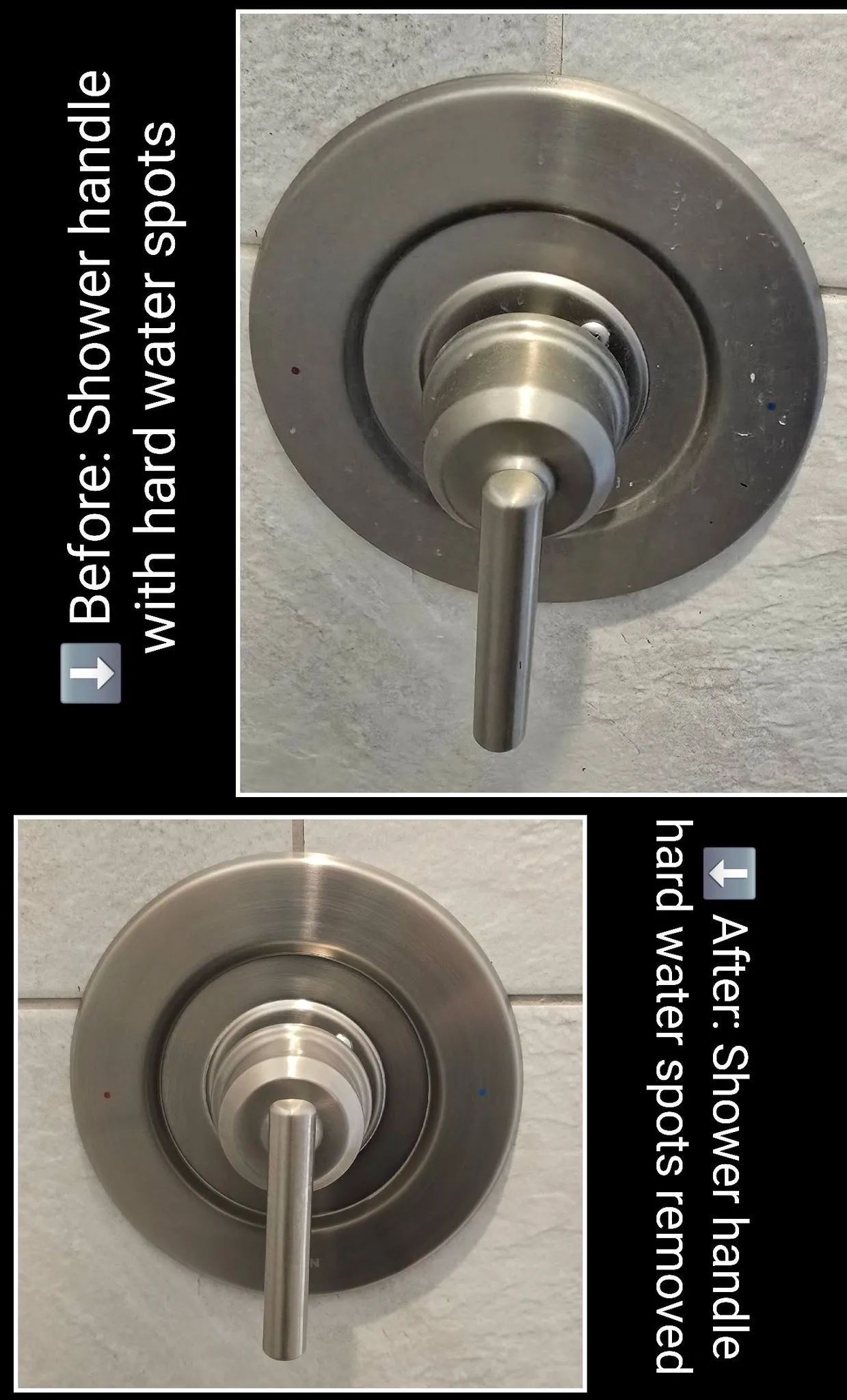
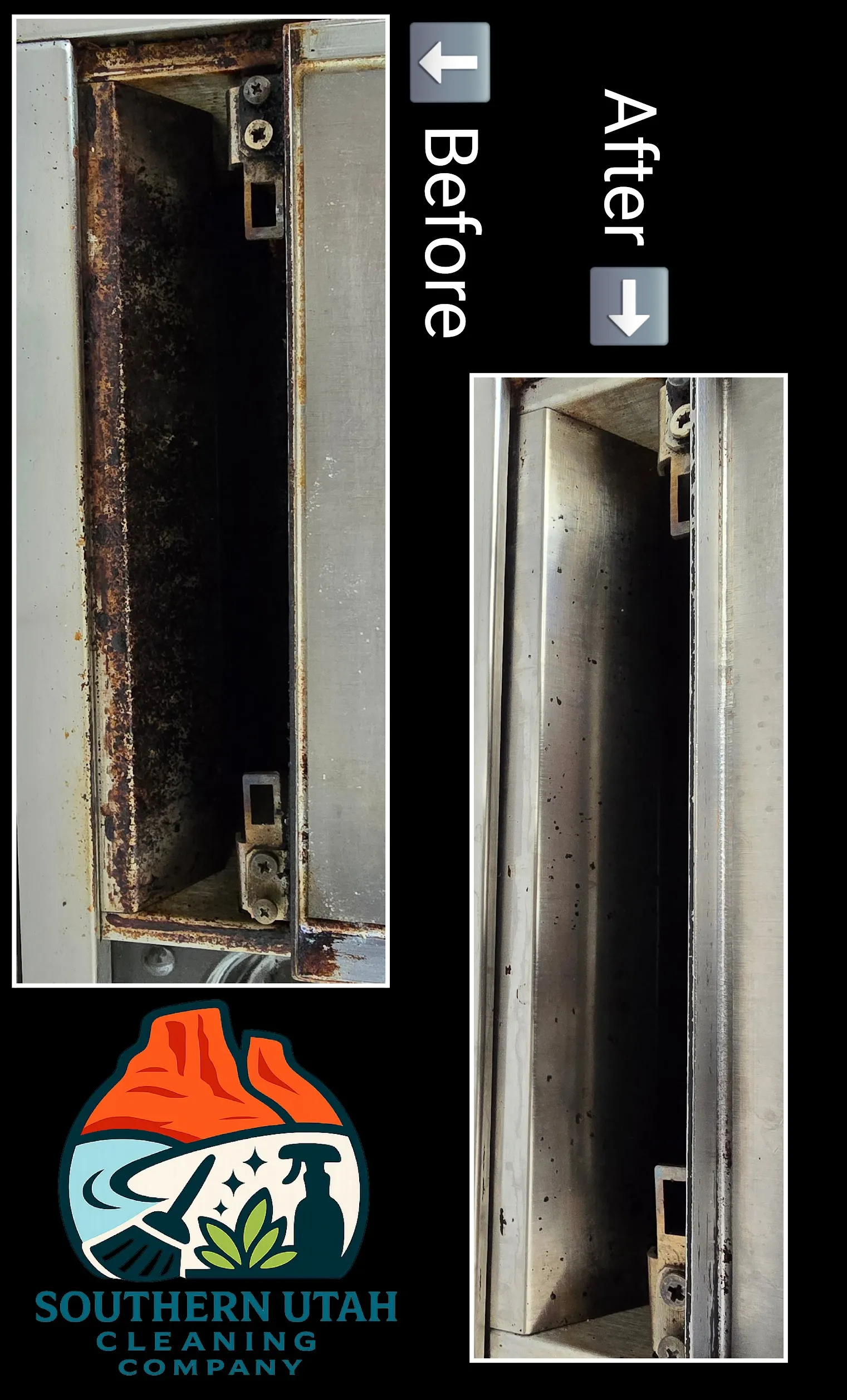
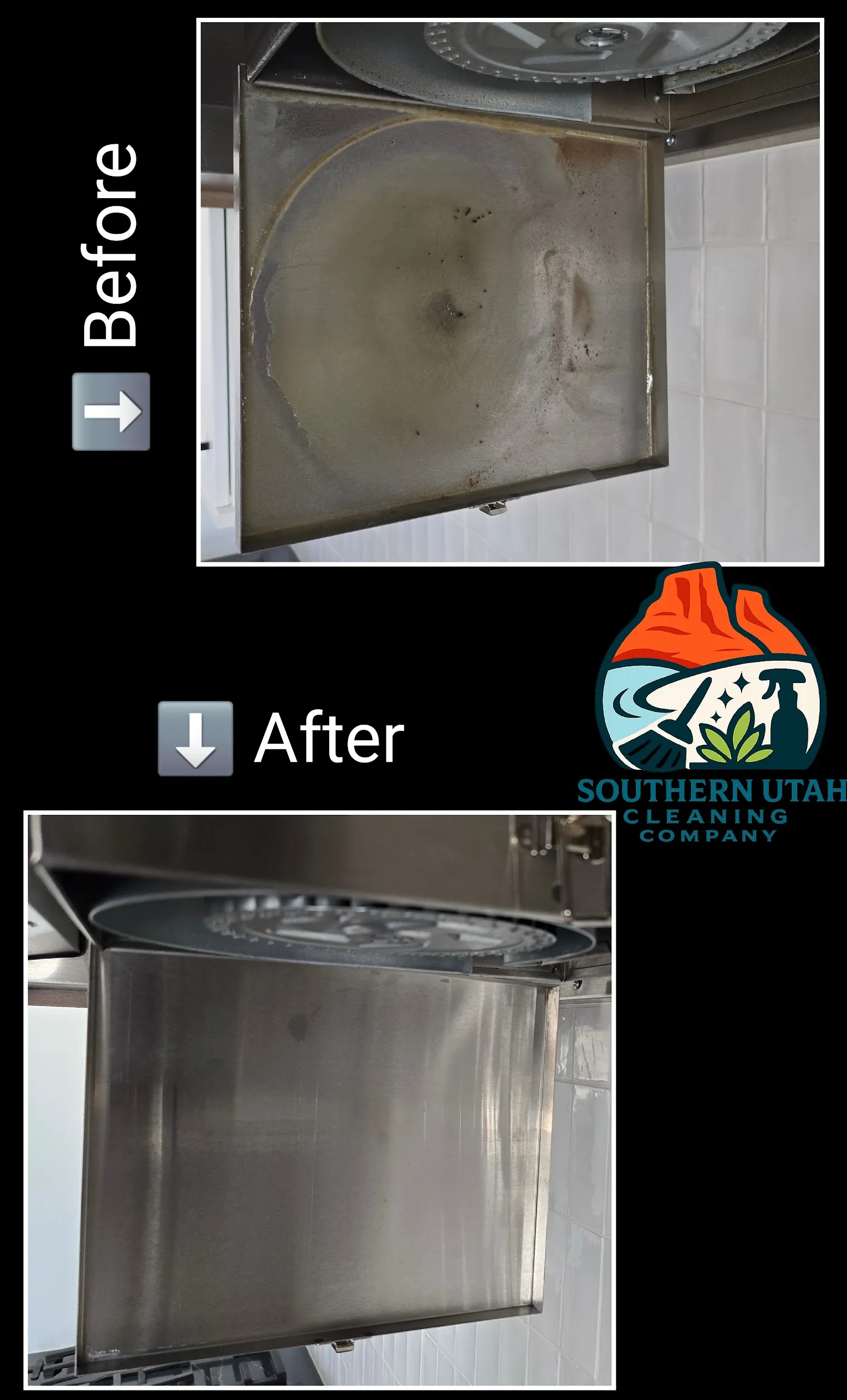
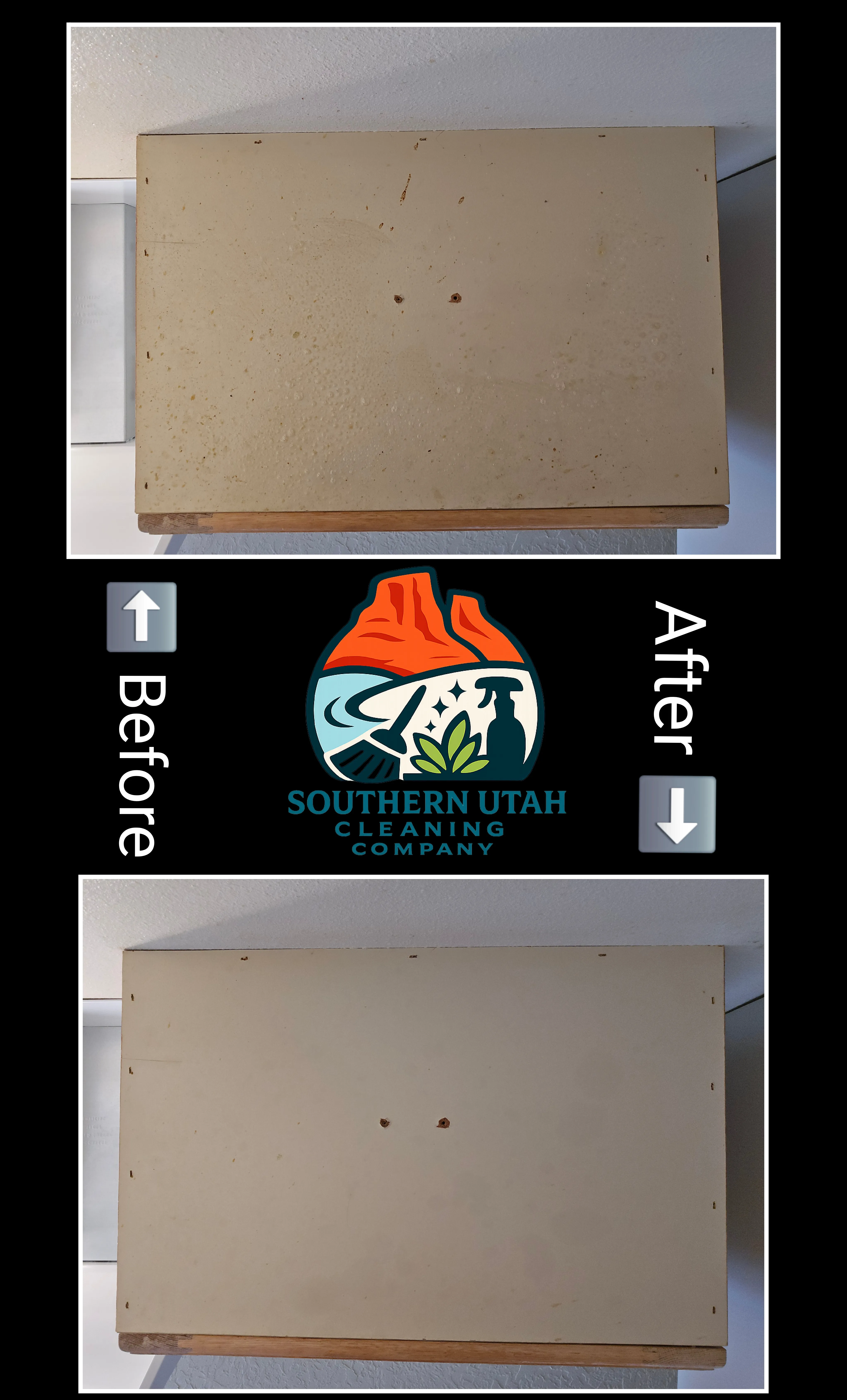
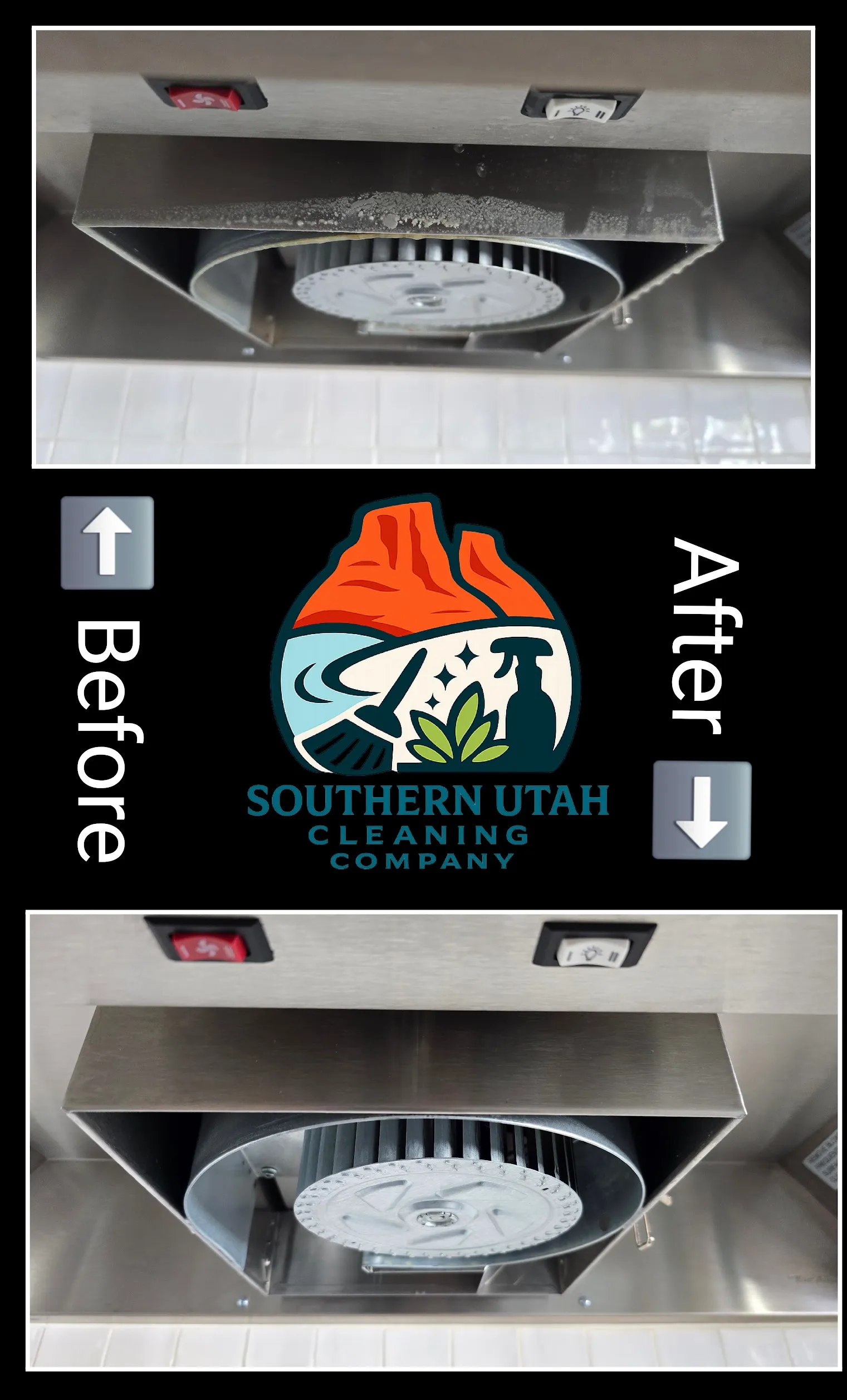
Tell me what areas need help — shower, oven, hard water, grease buildup, grout, fixtures, or other problem areas.
Surface material matters because glass, grout, natural stone, chrome, porcelain, fiberglass, ovens, and cooktops can all react differently to products and tools. Using the wrong method can cause damage.
Results depend on the type and age of the buildup, the surface material, previous cleaning attempts, chemical damage, hard water severity, scratches, etching, corrosion, previous sealers, and maintenance history.
I can explain what I am seeing and give an honest expectation based on the condition of the surface. Some surfaces improve dramatically, some improve noticeably, and some have permanent damage that cleaning cannot fully correct.
Buildup gets harder to remove because minerals, soap scum, grease, body oils, dust, and residue collect in layers. Over time those layers harden, trap more grime, and may eventually damage the surface underneath.
Restoration may be worth trying when the surface still functions and the problem appears to be buildup rather than permanent damage. If the surface is etched, cracked, corroded, or failing, repair or replacement may be the better long-term option.
Restoration-level cleaning takes longer because it often requires evaluation, surface-specific products, dwell time, repeated cleaning passes, agitation, detail work, and a careful final inspection.
Deep cleaning is a broader reset for the home. Restoration-level cleaning is more targeted and focuses on heavy buildup, neglected surfaces, hard water deposits, baked-on grease, or areas that require extra time and surface-specific methods.
Keep surfaces dry when possible, use a safe pH-neutral cleaner for routine maintenance, address buildup early, and seal cement-based grout every 6–12 months when appropriate.
Cleaning may not be the right answer when glass is permanently etched, grout is crumbling or missing, caulk has failed, fixtures are corroded, natural stone is chemically damaged, or the surface needs repair, replacement, or a specialized restoration professional.
Restoration and specialty cleaning services focus on heavy buildup, hard water deposits, soap scum, baked-on grease, mineral residue, grime, and problem areas that go beyond routine maintenance cleaning.
No. Deep cleaning is a full-home reset. Restoration-level cleaning focuses on specific problem areas with heavy buildup, such as showers, ovens, fixtures, grout, shower tracks, cooktops, and other neglected surfaces.
In many cases, yes. If the cloudiness is mineral buildup sitting on the surface, professional restoration can often dramatically improve clarity.
Etched glass, sometimes called glass cancer, happens when minerals remain on shower glass long enough to damage the glass surface. Once permanent etching occurs, cleaning cannot fully reverse it.
Many grout lines can be significantly improved through detailed cleaning. Permanently stained, cracked, missing, or crumbling grout may require repair or replacement.
Cement-based grout should typically be sealed every 6–12 months, depending on use, water exposure, and the sealer manufacturer's recommendations.
No. Sealer helps reduce absorption, but soap scum, hard water deposits, body oils, dust, and surface grime can still collect on top of tile and grout.
Sealing over dirty or stained grout can lock discoloration under the sealer. Grout should be deep-cleaned first and allowed to dry completely.
For routine maintenance, I recommend using a pH-neutral cleaner. One product I personally recommend is Cassell Cleaners Stone Pro Plus.
Damaged natural stone may be restored by a qualified stone restoration specialist, but that typically requires honing, polishing, grinding, or resurfacing. That is outside the scope of standard cleaning.
Oven glass can often be improved by removing baked-on grease, carbon buildup, and residue. Results depend on whether staining or damage is permanent.
No. I do not promise like-new results when permanent damage exists. I provide an honest assessment and work toward the best realistic result.
Time depends on the size of the area, severity of buildup, surface materials, and how many stages are required. Restoration work usually takes longer than routine cleaning.
Yes. It requires more time, detail, products, skill, and surface-specific care than standard maintenance cleaning.
Use the quote form on this page or call Southern Utah Cleaning Company at (435) 767-1131.
I don't: promise every surface can be restored, rush work, or use damaging methods.
I do: evaluate surfaces, set honest expectations, use surface-specific methods, and recommend specialists when appropriate.
Serving St. George, Washington, Santa Clara, Ivins, Hurricane, La Verkin, SunRiver, Entrada, Stone Cliff, Kayenta, Desert Color, The Ledges, Bloomington Hills, and Southern View.
Real Google reviews, customer texts, and before-and-after projects are featured throughout this page.
Not every surface should be cleaned the same way. The safest method depends on the material, the type of buildup, and whether permanent damage is already present.
Goal: Remove buildup while determining whether permanent damage is present.
Goal: Improve appearance without damaging grout or trapping contaminants before sealing.
Goal: Protect the stone and recognize when a stone restoration specialist is needed.
Goal: Remove buildup while protecting the finish.
Goal: Remove residue without damaging enamel or finishes.
Goal: Restore appearance while protecting the surface.
Every home is different, which is why restoration-level cleaning is never one-size-fits-all. The final result depends on the surface, the buildup, and the condition underneath.
Restoration results depend on whether the issue is removable buildup, permanent wear, or surface damage.
These projects often show the most dramatic before-and-after results.
The surface may not look new, but it can often look significantly better.
Cleaning may improve appearance, but damage, etching, pitting, or staining may remain.
Some surfaces need caulk replacement, regrouting, glass replacement, fixture replacement, or a specialist.
Ready to Find Out What’s Possible?
If you are unsure whether your shower, oven, grout, fixtures, or other surfaces can be improved, I can take a look and give you an honest recommendation. No unrealistic promises — just clear expectations and the best realistic result possible.