House cleaning company in St. George Utah - Southern Utah Cleaning Company logo
Southern Utah Cleaning Company
πŸ“ž(435) 767-1131
πŸ“žREADY FOR A CLEANER HOME?Call Now β€’ (435) 767-1131

Why Hard Water Is So Difficult to Clean in St. George

Hard water is one of the biggest cleaning challenges throughout St. George and Southern Utah. Mineral deposits can build up on shower glass, faucets, drains, fixtures, sinks, tubs, toilets, and bathroom surfaces over time.

Many homeowners assume cloudy buildup is just dirt or soap scum. In reality, hard water minerals can bond to surfaces and eventually cause permanent damage if buildup is ignored too long.

🚿 Hard Water & Mineral Buildup
🧼 Shower Glass & Fixtures
πŸ“ St. George & Southern Utah

Request a Quote

Note: Severe hard water buildup or etching may require extra time and realistic expectations.

Quick Answer

St. George hard water is difficult to clean because mineral deposits bond to shower glass, fixtures, faucets, drains, sinks, and surfaces over time. The longer buildup sits, the harder it becomes to remove β€” and in some cases, it can permanently etch glass.

Why Hard Water Buildup Gets Worse Over Time

Minerals Layer Repeatedly

Every time water dries on a surface, minerals are left behind. Over time, those deposits compound layer after layer on shower glass, faucets, drains, sinks, and fixtures.

Heat Accelerates Buildup

Warm showers and steam speed up mineral drying and bonding, especially on shower glass, tile, grout, fixtures, and drains.

Soap Scum Makes It Worse

Soap residue combines with hard water minerals, creating a thicker film that becomes increasingly difficult to remove.

Neglected Buildup Becomes Harder

The longer mineral buildup sits, the more labor and detail work are usually required to improve the surface condition.

Simple answer: Hard water is difficult to clean because minerals bond to surfaces over time instead of simply sitting on top like normal dust.

Hard Water vs Soap Scum vs Etching

Hard Water Buildup

Mineral deposits usually appear white, cloudy, chalky, or crusted onto surfaces like shower glass and fixtures.

Soap Scum

Soap scum often feels filmy or greasy and combines with hard water minerals to create thicker buildup.

Etching

Etching is permanent surface damage caused when minerals sit too long and begin damaging the actual glass surface.

How To Tell If Shower Glass Is Etched

Signs of Mineral Buildup

Mineral buildup often improves when wet, may feel rough or crusty, and can sometimes be improved with proper cleaning methods.

Signs of Etching

Etched glass usually stays cloudy even when wet, feels smooth instead of gritty, and does not improve much even after cleaning attempts.

Important: Cleaning cannot reverse permanent glass etching because the damage is inside the surface β€” not sitting on top of it.

Why Store-Bought Cleaners Often Fail

They Are Made for Light Maintenance

Many bathroom sprays are designed for routine cleaning, not thick mineral deposits that have bonded to shower glass, drains, faucets, and fixtures over time.

They Do Not Fix Etching

If glass has been permanently etched, stronger cleaner will not reverse the damage because the cloudiness is no longer sitting on the surface.

They May Need Dwell Time

Hard water removal is not always instant. Mineral buildup often needs the right product, safe surface testing, dwell time, agitation, and realistic expectations.

They Can Damage Sensitive Surfaces

Some products can damage natural stone, specialty finishes, grout, chrome, or fixtures if used incorrectly or left too long.

Simple answer: Store-bought cleaners often fail because heavy hard water is mineral buildup, not ordinary dirt.

Why Hard Water Returns So Quickly

Water Dries and Leaves Minerals Behind

Every shower, sink splash, or faucet drip can leave mineral residue behind once the water evaporates.

Shower Glass Gets Hit Daily

St. George shower glass often sees repeated water exposure, soap residue, steam, and minerals, which makes buildup return faster than many homeowners expect.

Ventilation Matters

Poor airflow allows moisture to sit longer, giving minerals more time to dry onto glass, tile, fixtures, and drains.

Maintenance Frequency Matters

Hard water is easier to manage when it is maintained regularly instead of waiting until buildup becomes thick, chalky, or crusted.

What Areas Hard Water Damages Most

Shower Glass

Glass can become cloudy, spotted, etched, or permanently damaged when minerals sit too long.

Faucets & Fixtures

Minerals collect around handles, bases, drains, spouts, and shower heads where water repeatedly dries.

Tile & Grout

Hard water can combine with soap residue and collect in grout lines, corners, edges, and textured surfaces.

Drains

Minerals often build up around drains where water sits, dries, and leaves deposits behind.

Natural Stone

Stone surfaces require extra caution because acidic cleaners can cause damage if the wrong product is used.

Toilets & Sink Areas

Hard water rings, faucet bases, sink edges, and splash zones can collect buildup quickly in Southern Utah homes.

How Often Hard Water Should Be Maintained

Area Maintenance Recommendation
Shower glass Best maintained weekly or biweekly, especially in St. George homes with frequent shower use.
Faucets and fixtures Wipe and dry regularly to reduce mineral rings and crusty buildup around bases and handles.
Shower heads and drains Watch for early buildup so it can be addressed before it becomes heavy or difficult to remove.
Heavy or neglected buildup May require deep cleaning, specialized hard water cleaning, or a realistic improvement-based approach.
Most homeowners don’t realize: hard water is not a one-time problem. It returns whenever mineral-heavy water repeatedly dries on the same surfaces.

What Happens If Hard Water Is Ignored?

Cloudy Shower Glass

Glass can become increasingly cloudy as minerals build layer after layer.

Permanent Etching

If minerals sit too long, they can damage glass and create cloudiness that cleaning cannot fully reverse.

Fixture Buildup

Faucets, drains, handles, and shower heads can develop crusty deposits that take more labor to improve.

More Expensive Cleaning Later

The longer buildup is ignored, the more time, labor, and realistic expectation-setting are usually needed.

What NOT To Use On Hard Water

Abrasive Scrubbers

Aggressive pads and abrasive materials can scratch glass, fixtures, chrome, and finished surfaces.

Random Internet Mixtures

Many DIY combinations found online can damage surfaces, discolor finishes, or create unsafe chemical reactions.

Razor Blades on Glass

Improper scraping techniques can permanently scratch shower glass and leave visible damage.

Harsh Chemicals on Natural Stone

Some acidic products can damage marble, travertine, natural stone, grout, and specialty finishes.

Realistic Hard Water Expectations

Condition Expectation
Light mineral buildup Usually easier to improve with maintenance and proper cleaning methods.
Heavy buildup Often requires substantially more labor and detail work.
Long-term neglected buildup May improve only partially depending on the condition of the surface.
Etched shower glass Permanent surface damage cannot usually be reversed through cleaning.

Examples of Hard Water Buildup

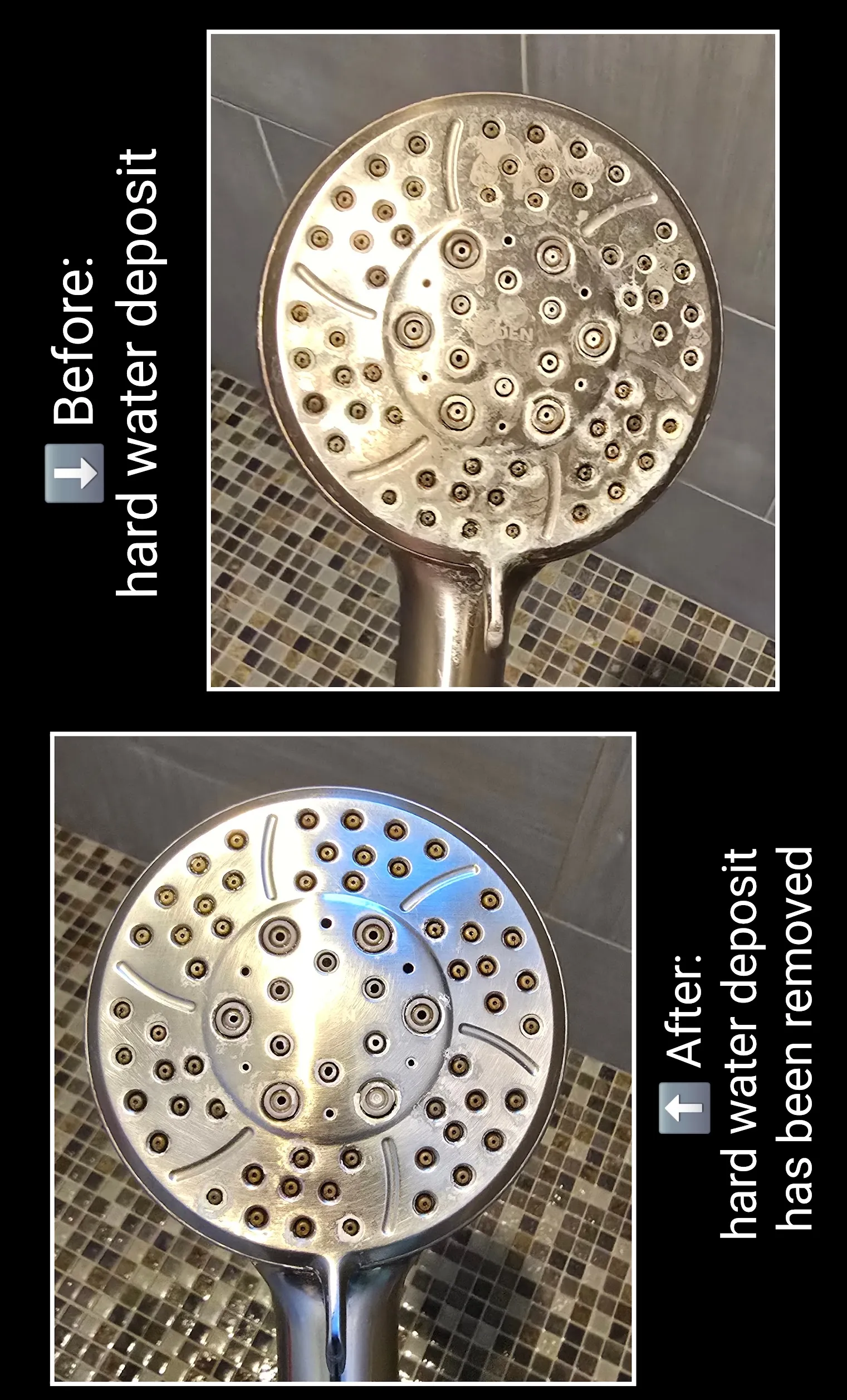
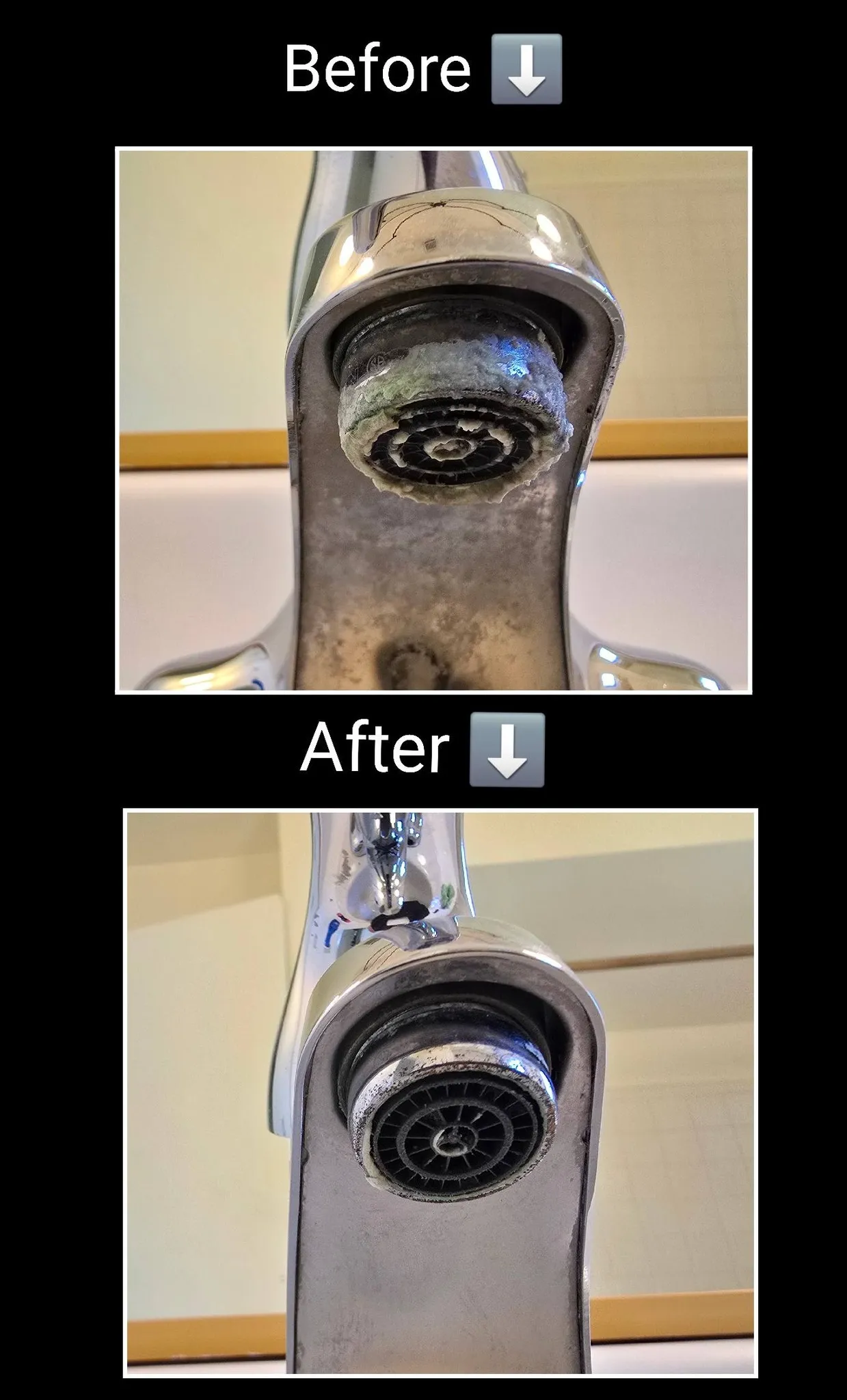
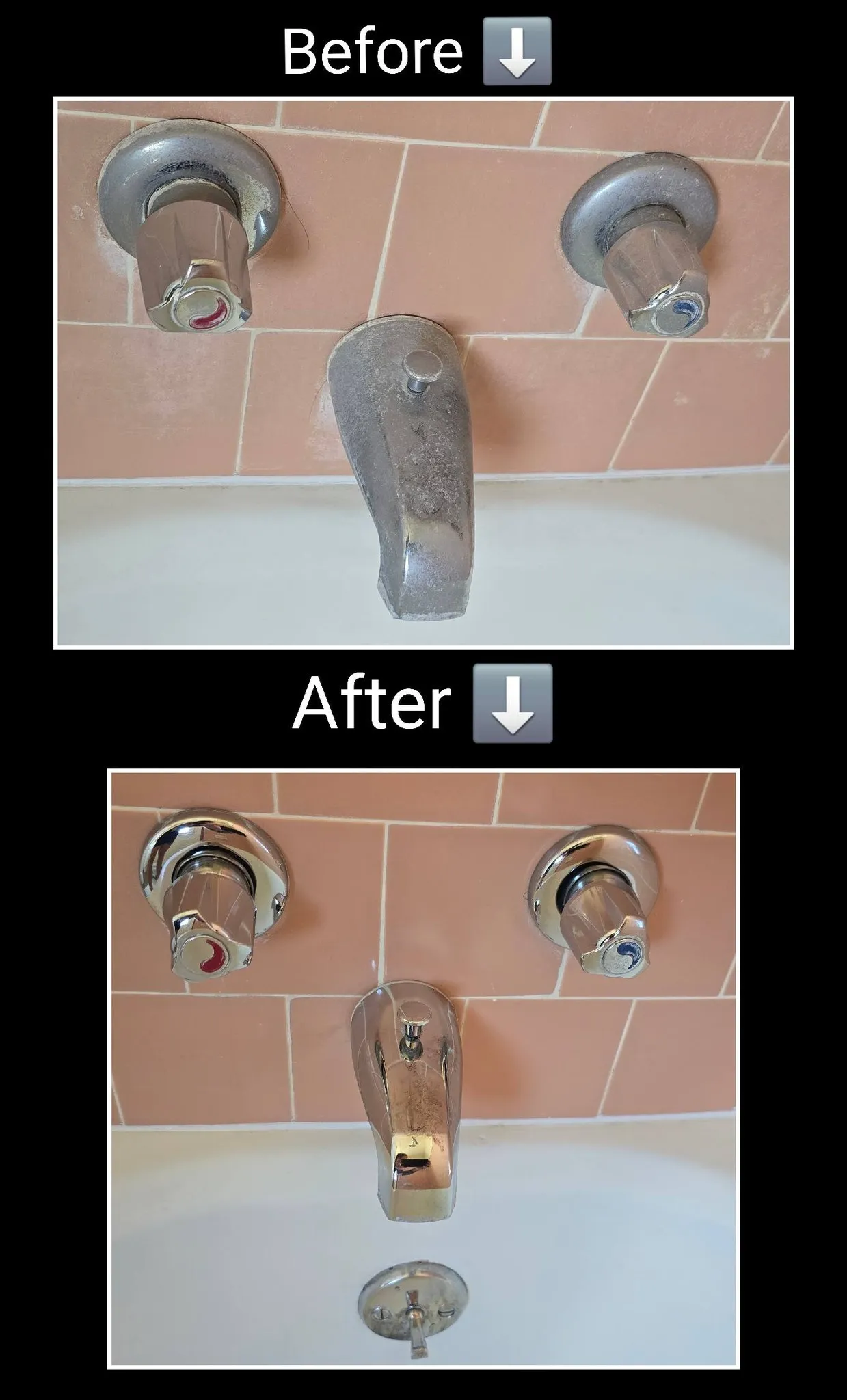
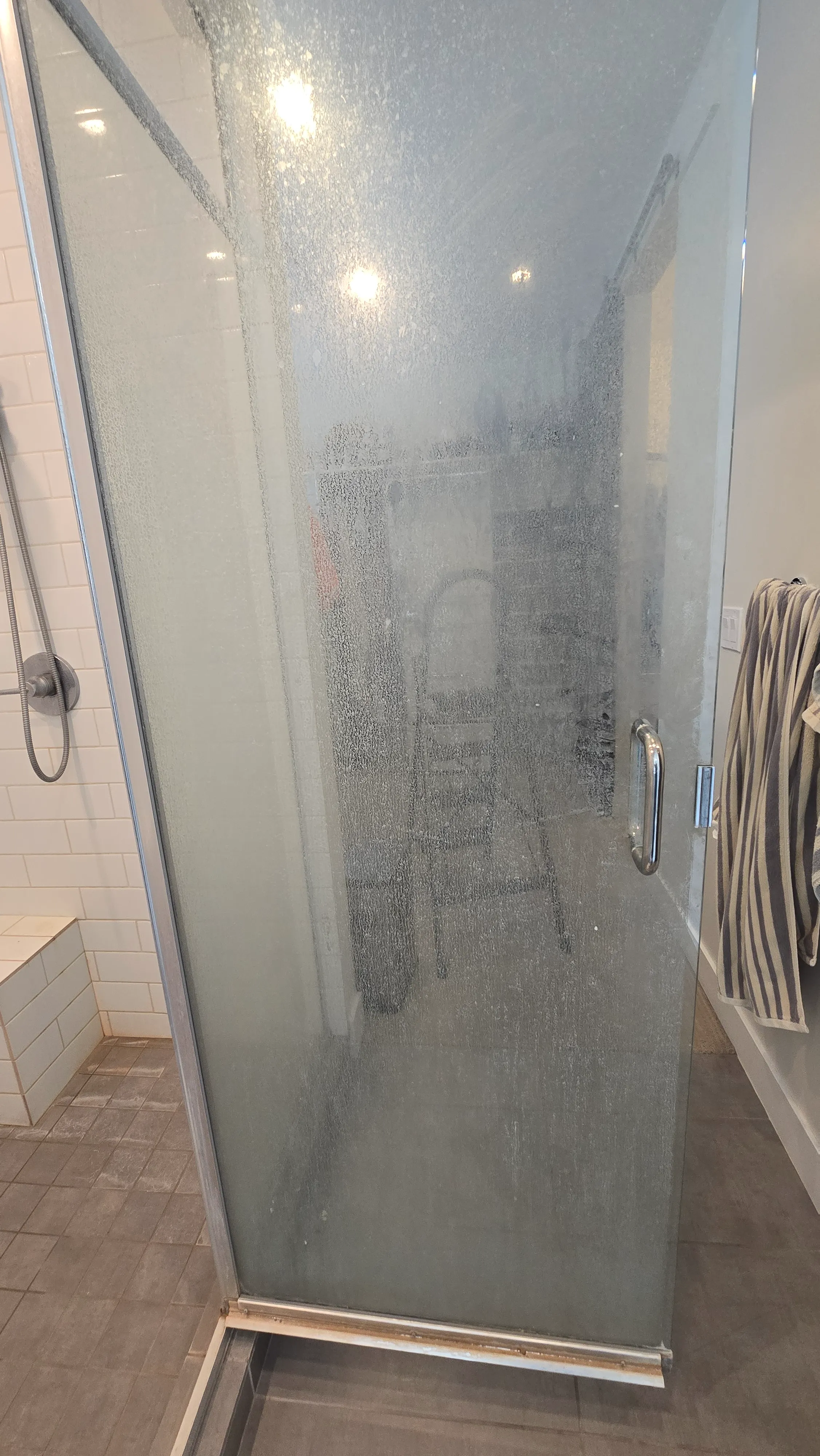
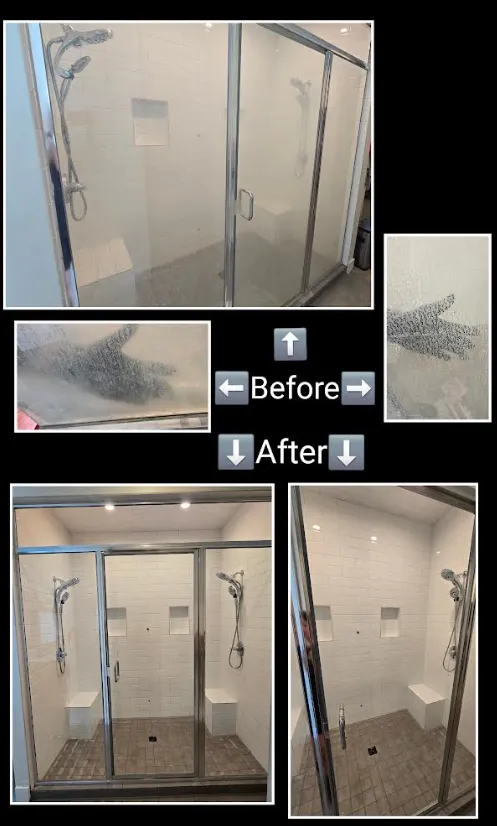
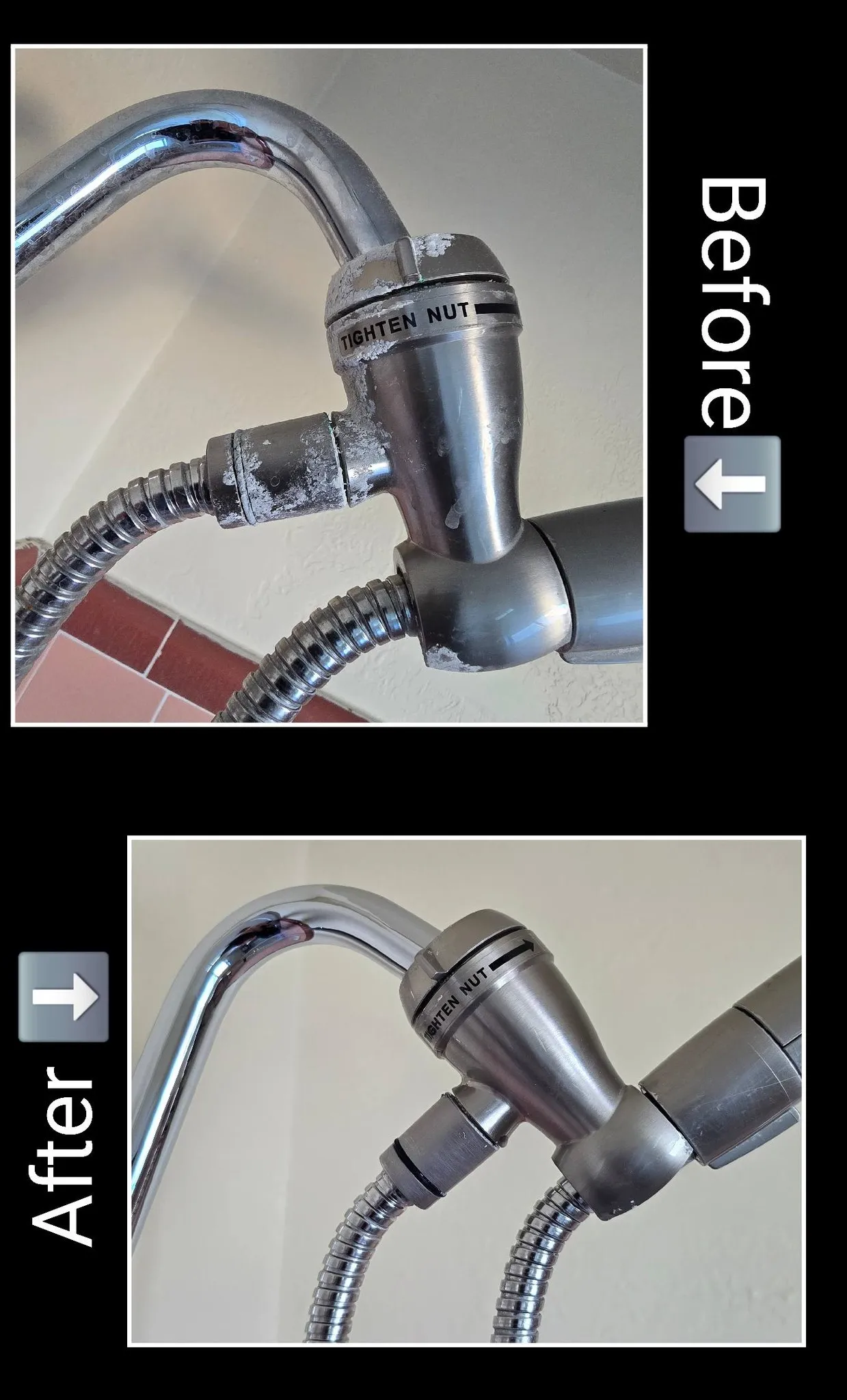
These examples show mineral deposits, shower buildup, fixture buildup, and hard water conditions commonly seen throughout Southern Utah homes.

Hard water shower head buildup
Heavy mineral buildup on shower fixtures.
Heavy hard water buildup example
Mineral deposits compounded over time.
Shower buildup cleaning example
Bathroom buildup caused by soap scum and hard water.
Hard water around bathroom fixtures
Bathroom fixture and edge buildup.
Maintained surfaces reduce buildup
Maintained surfaces are easier to keep under control.
Buildup requiring detailed cleaning
Long-term buildup often requires substantially more labor.

Common Misconceptions About Hard Water

β€œIt just needs stronger cleaner.”

Some buildup is bonded to the surface or has already caused permanent etching damage.

β€œCloudy glass is always dirt.”

Cloudy shower glass is often mineral buildup or permanent etching β€” not simple dirt.

β€œAny cleaner can remove hard water.”

Hard water removal often requires proper product selection, technique, realistic expectations, and surface awareness.

Helpful Related Cleaning Guides

Frequently Asked Questions

Why is hard water so difficult to clean?

Hard water minerals bond to surfaces over time instead of simply sitting on top like dust or dirt.

Why does shower glass turn cloudy?

Cloudy shower glass is often caused by mineral buildup or permanent etching damage from hard water.

Can hard water become permanent?

Yes. Long-term mineral buildup can permanently etch glass and damage surfaces if it is ignored too long.

Why is hard water common in St. George?

Southern Utah water commonly contains higher mineral content, which contributes to buildup on fixtures, shower glass, and bathroom surfaces.

Why do store-bought hard water cleaners stop working?

They may work on light buildup, but heavy mineral deposits often need the right product, dwell time, safe agitation, and surface-specific expectations.

How often should shower glass be maintained?

In Southern Utah homes, shower glass is best maintained weekly or biweekly because hard water spots return quickly when mineral-heavy water dries on the glass.

What happens if hard water buildup is ignored?

Hard water can become thicker, harder to remove, and may eventually cause permanent etching or surface damage.

Can professional cleaning remove all hard water stains?

Professional cleaning can often improve mineral buildup, but it cannot reverse permanent etching or damaged glass.

Request a Quote

πŸ‘€ Available this week

Need Help With Hard Water Buildup?

Request a quote for shower glass, fixtures, bathroom buildup, or detailed hard water cleaning needs.

Request a Quote
⬆ ↑
πŸ“žCall Now πŸ“Get Quote